Apr 26, 2026
By
uCan-Packaging
5 Important Facts to Know About Sustainable Packaging
For businesses, large and small, old and new, if you sell products of any kind, chances are they will need to be packaged before customers purchase them.
Decades ago, packaging played an important role in business, but with the rise of modern technology, I.E eCommerce, the need for packaging solutions became more important than ever. As a result, not only have we seen a sharp increase in raw material consumption, but more worrying still, we’ve seen a global surge in plastic waste.
Plastic waste not only presents a number of economic problems, it also poses significant threats to the environment. Plastic waste is arguably the largest environmental threat to our planet. Plastic never fully degrades or breaks down, and can lead to problems such as soil contamination, water contamination, and threats to marine ecosystems. Unfortunately, plastic packaging is one of the primary culprits. Subsequently, a far greater emphasis is now being placed upon sustainability in the packaging industry.
As more businesses move away from plastic and gravitate towards sustainable packaging solutions, here’s a look at 5 important facts about sustainable packaging.
Aluminum Packaging is Greener than Glass
Paper, cardboard, wool, and glass. These are just a few examples of some of the more popular sustainable packaging materials that businesses are using to replace plastic. Another hugely popular packaging material now being used in a wide range of industries, however, is aluminum.
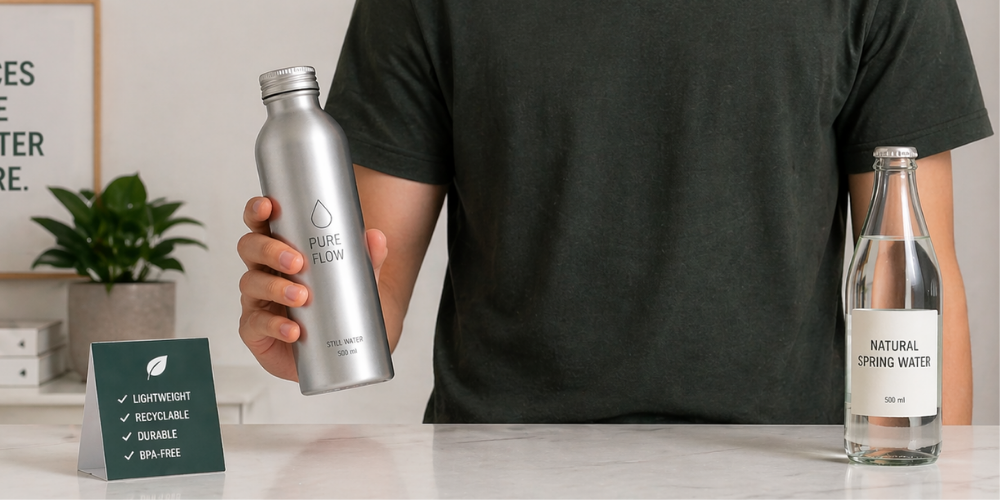
Aluminum packaging is quickly becoming the go-to packaging material for businesses looking to be environmentally conscious. Not only can it be recycled indefinitely, producing it requires a fraction of the energy required to produce plastic, plus it’s lightweight and food safe too.
What people often don’t realize, though, is that aluminum packaging is actually much greener than glass, making it kinder to the environment. This is largely down to its weight. As it’s much lighter, it requires less energy to produce, and helps to reduce emissions during transportation and shipping.
Don’t get us wrong, glass is still a very sustainable and eco-friendly packaging material, it’s just that aluminum appears to be a greener solution.
Sustainable Packaging is Beneficial from a Business Standpoint
Not only is sustainable packaging good for the environment, it’s also good for businesses and their profitability as well.
As more and more people embrace sustainability and make conscious efforts to be more eco-conscious, being sustainable can actually be beneficial from a business standpoint too.
Research has found that as much as 71% of consumers worldwide now purchase their produce based upon the packaging that it comes in. More specifically, they’re purchasing their produce based upon sustainable packaging. This is particularly evident in the food and drinkssector, where aluminum and glass are the sustainable materials of choice.
From a business standpoint, being sustainable offers a number of benefits. Not only does it help the environment, but it also helps increase your chances of making more sales and building customer loyalty in the process.
Sustainable Packaging Can Be Recycled Quickly
Not only is sustainable packaging great for the environment, it can also be recycled quickly when compared with plastic.
Whereas plastic packaging requires a lot more energy to recycle, it also takes much longer to recycle. In fact, this is one of the main reasons why it requires so much more energy when compared with sustainable materials. Most plastic materials take several months to recycle.
Sustainable materials, however, can be recycled much quicker. Aluminum drinks cans take as little as 60 days to be recycled, whereas glass can be recycled in 30 days. Paper packaging can be recycled in as little as just one week.
Plastic Waste is the Biggest Threat to Our Oceans
One of the main reasons why sustainable packaging materials such as cardboard, glass, and aluminum are so highly sought after is because of the damage that plastic waste is doing to our oceans.
Did you know, that on average, every single year, as much as 8 million tons of plastic waste is believed to enter our oceans. Plastic packaging is now deemed a major marine conservation issue on a global scale. Not only does it threaten marine ecosystems, it can also have adverse negative impacts on human health as well.
Thankfully, as more businesses utilize sustainable packaging materials, plastic waste is slowly reducing. There is, however, still a great deal to be done.
Aluminum Packaging Has a High Global Recycling Rate
When sustainable packaging materials are mentioned, aluminum is often a material that first springs to mind, and for good reason. Not only is it food-safe, cheap to produce, energy-efficient, and versatile, it’s also extremely recyclable.
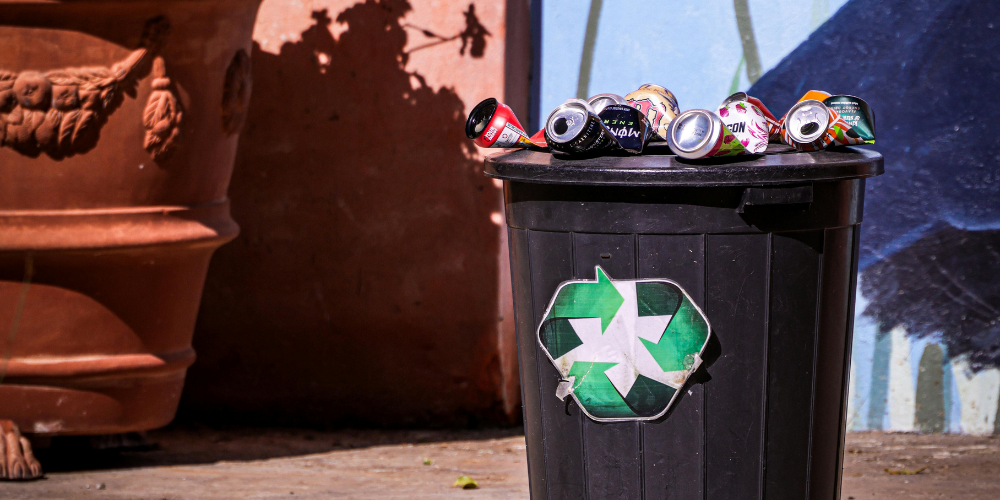
In fact, aluminum is the most recycled material in the world, in the beverage industry at least. Roughly 70% of global aluminum drinks cans are recycled every single year. This again, is largely due to its high recyclability. Experts believe that as much as 75% of all aluminum ever produced is still being utilized today thanks to its recyclability.