
Apr 12, 2026
By
uCan-Packaging
Alarming Packaging Waste Facts and Statistics
As of this writing, the packaging industry finds itself at a crossroads. Generally speaking, the packaging industry is heavily reliant upon fossil fuels, which are rapidly depleting and are most certainly not sustainable. Once they’re gone, they’re gone for good.
As well as being a limited resource, fossil fuels also have an enormous negative environmental impact. As far as packaging waste is concerned, there’s one material that experts are concerned about, and have been for some time now, and that material is plastic, particularly single use plastic.
Single use plastic, as the name implies, can only be used once. This makes it a prime culprit for plastic waste and pollution. In fact, of all plastic waste on the planet, it is believed that as much as 50% is single use. More alarmingly still, of this 50%, more than 40% is believed to be from packaging.
To help you understand the scale of the packaging waste crisis our planet finds itself in, here are some alarming facts and statistics.
Packaging Waste Comes in All Forms
When you go to the store, or place an order for a product online, when you purchase it it’s almost always going to be stored in packaging of some form.
Packaging not only helps to keep products fresh and protected from the elements, it also assists with transportation and serves as a very powerful marketing tool as well. Because of these reasons, and many more, packaging is hugely important to buyers, sellers, and manufacturers alike.
Because virtually every product we purchase comes in packaging of some sort, it can of course come in a selection of different forms. Whether it’s candy wrappers, chip packets, plastic containers, plastic grocery bags, boxes, cellophane wrappers, envelopes, or anything else, if it’s used as packaging and is not recycled or repurposed, it poses an environmental risk and can be classed as waste.
Cardboard Can Still Be Considered Waste
Despite plastic grabbing all the attention and stealing all of the headlines in terms of being an environmental risk, sustainable materials that biodegrade and breakdown can still be considered as waste.
As plastic is now gradually being phased out around the world, more and more manufacturers are looking for greener, more sustainable alternatives. Cardboard is a prime example.
Some of the world’s largest online e-commerce companies, for example, now almost exclusively use cardboard instead of plastic. Cardboard is made from paper, which of course makes it sustainable as it is regenerative. It is also biodegradable and can break down. This gives it the edge over plastic, that never completely breaks down, over the course of thousands of years.
As great as cardboard packaging is, though, it can still be considered waste if not recycled or disposed of correctly. Sure, cardboard packaging will rot and break down overtime, but it still poses risks. Not only that, but sometimes cardboard packaging is treated with chemicals or features harmful inks or glues that could contaminate the environment and be toxic to other living creatures.
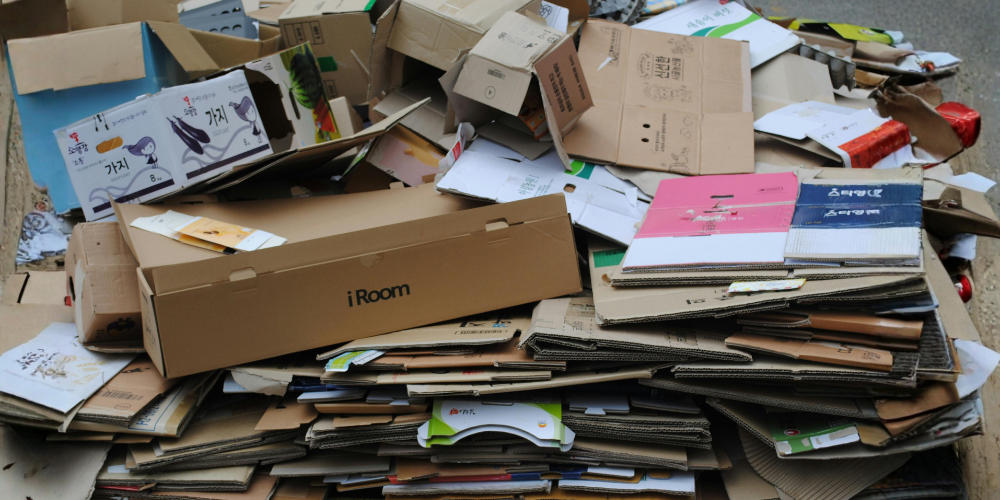
In the European Union, both paper and cardboard are now the primary waste packaging materials, closely followed by plastic.
Plastic Packaging is Still a Huge Problem
Despite the health and environmental risks of plastic packaging being widely documented, our planet still produces far too much of it every single year.
In fact, each year, we produce roughly 450 million tons of plastic. Of all the plastic produced globally, around 141 million tons make up plastic packaging. Of this, only 10% is recycled. That means that the remaining 90% becomes waste and is left to pollute the environment.
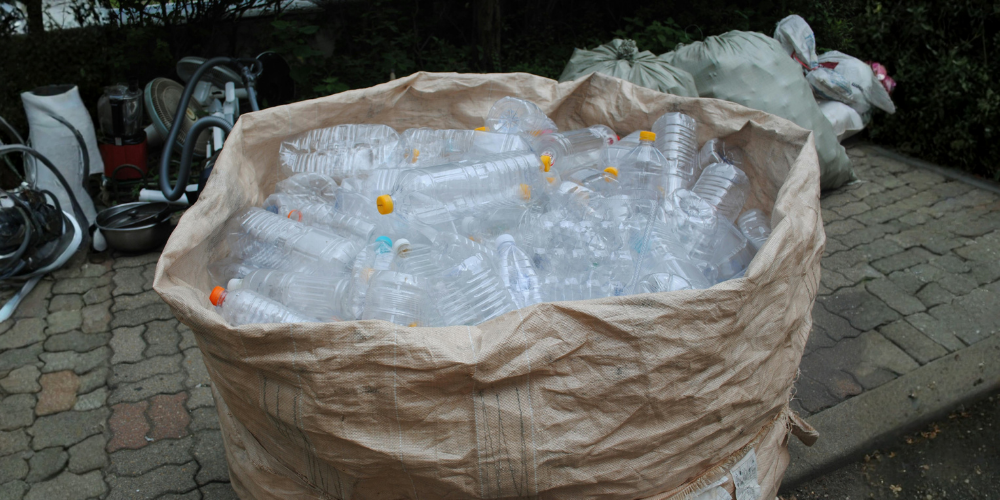
Although steps are being taken to address our reliance on plastic packaging and reduce plastic waste, the amount of waste from plastic packaging we see each year is virtually unchanged since the late 2000s. That is simply unacceptable and highlights the fact that the need for sustainable packaging is greater than ever.
Cosmetics Companies are Quickly Becoming More Sustainable
While the food and drinks industry have gradually been transitioning away from plastic packaging and embracing more sustainable options such as cardboard, paper, and aluminum, they aren’t the only industries dedicated to sustainable packaging.
In recent years, the beauty and cosmetics industry has really stepped up its efforts to be greener and more eco-conscious. That’s hardly surprising considering such a vast amount of packaging waste is caused as a result of the cosmetics industry.
From face creams and lipsticks to disposable razors and body scrubs, all these products come in packaging of some sort, which will eventually need disposing of. In fact, 95% of all cosmetics packaging is believed to be thrown away. To make matters worse, it is estimated that of all the plastic packaging pollution in the world, as much as 30% comes from the cosmetics industry. This is why moving away from plastic packaging is so important.
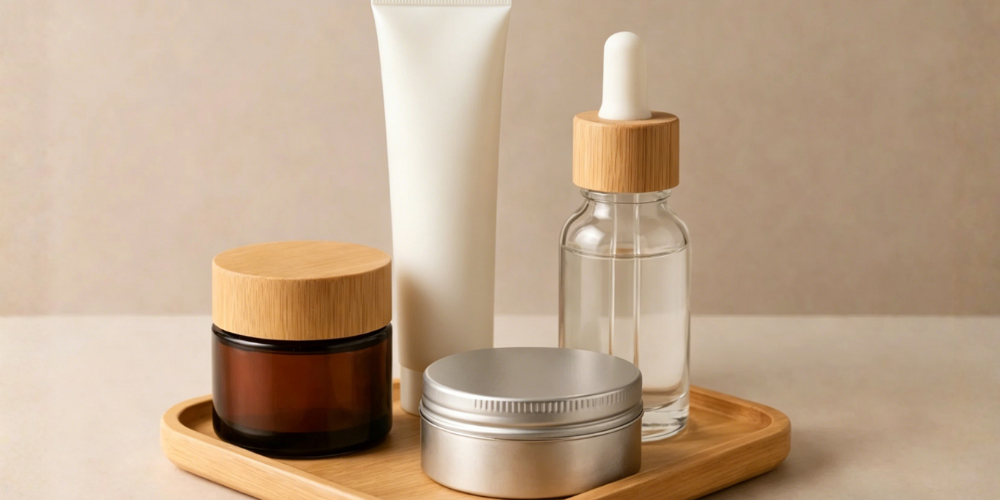
Aluminum is quickly becoming the gold-standard when it comes to cosmetics packaging material. Aluminum packaging offers aesthetic benefits while also helping to protect and preserve cosmetics and other beauty products. It also uses far less energy, is infinitely recyclable, and has a much lower carbon footprint than other common packaging materials such as plastic. Add to this, the fact that it is more economical and helps build consumer trust, and you can see why this lightweight metal is so popular in the cosmetics industry.