
Sep 13, 2026
By
uCan-Packaging
Biodegradable vs Compostable: What's the Real Difference?
A coffee cup says "biodegradable" on the side.
The one next to it says "compostable."
They look the same, feel the same, and both have a little green leaf logo.
Most people assume they mean the same thing. They don't.
And the gap between the two terms isn't just semantic — it's now the basis for FTC enforcement actions, state-level labeling bans, and multimillion-dollar class action settlements.
If you're buying packaging, specifying materials, or just trying to figure out which bin your cup goes in, this distinction matters more in 2026 than it ever has.
What Does Biodegradable Actually Mean?
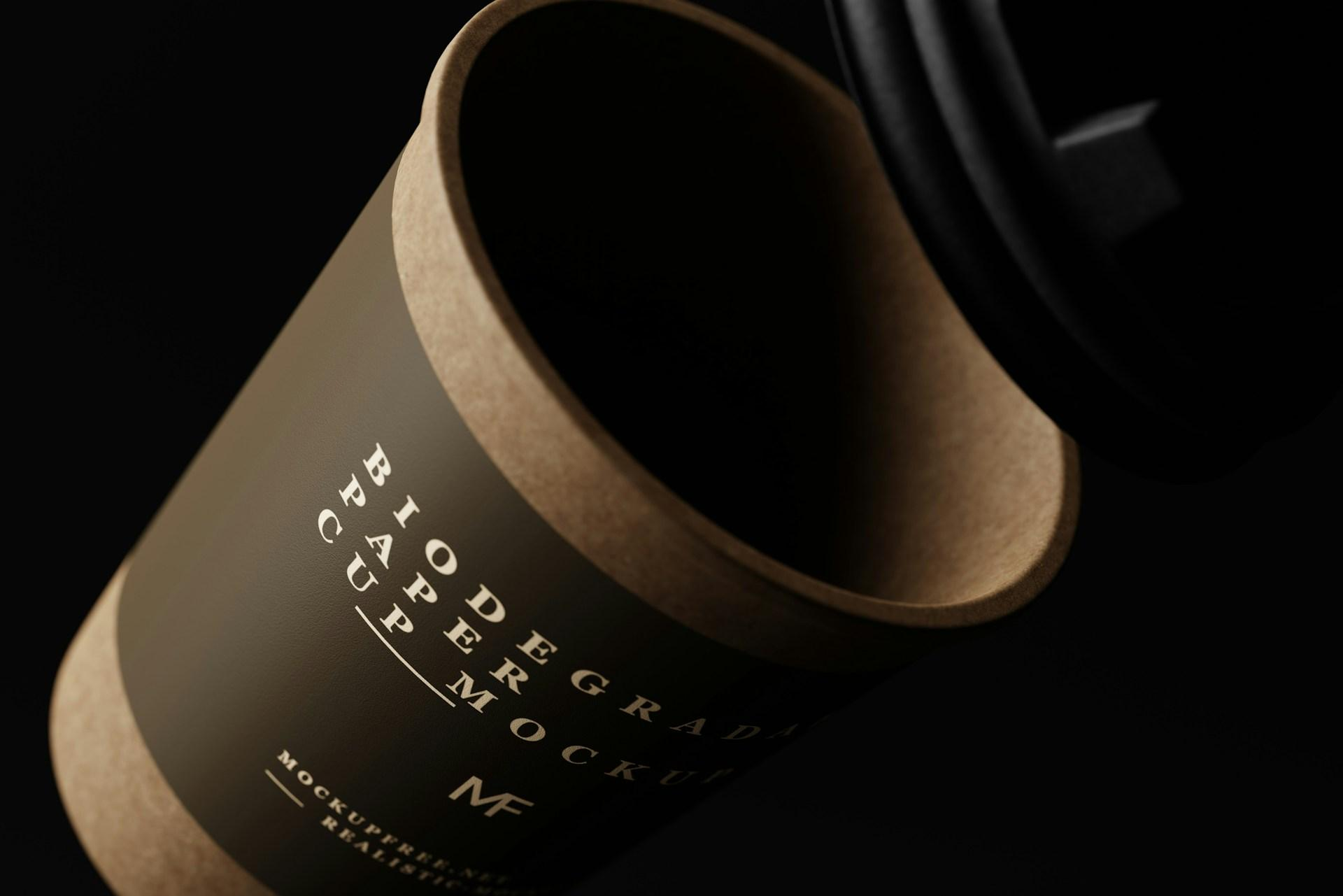
"Biodegradable" means microorganisms can break down a material. That's it. It’s degradable via biological elements.
The problem is that the term doesn't specify how long it takes, what conditions are required, or what's left behind when it's done.
Technically, almost everything biodegrades eventually. Given a long enough time period.
A wooden chair will break down over decades. A cotton t-shirt takes a few months in active soil. A conventional plastic bag? Somewhere between 20 and 500 years, depending on conditions. They're all "biodegradable" in the strictest sense.
The word just doesn't tell you anything useful about whether a product will actually decompose in any timeframe that matters.
The FTC's Green Guides (16 CFR Part 260) are blunt about this.
Under § 260.8, an unqualified "biodegradable" claim is considered deceptive unless the entire product completely decomposes within one year of customary disposal.
Since the vast majority of US waste ends up in landfills, incinerators, or recycling streams (none of which support full decomposition in a year), that bar is almost impossible to clear.
This is why California's AB 1201 went further and banned the words "biodegradable," "degradable," and "decomposable" on plastic products entirely, effective January 2024. The state decided the term was so misleading that it shouldn't appear on packaging at all.
What Does Compostable Mean?
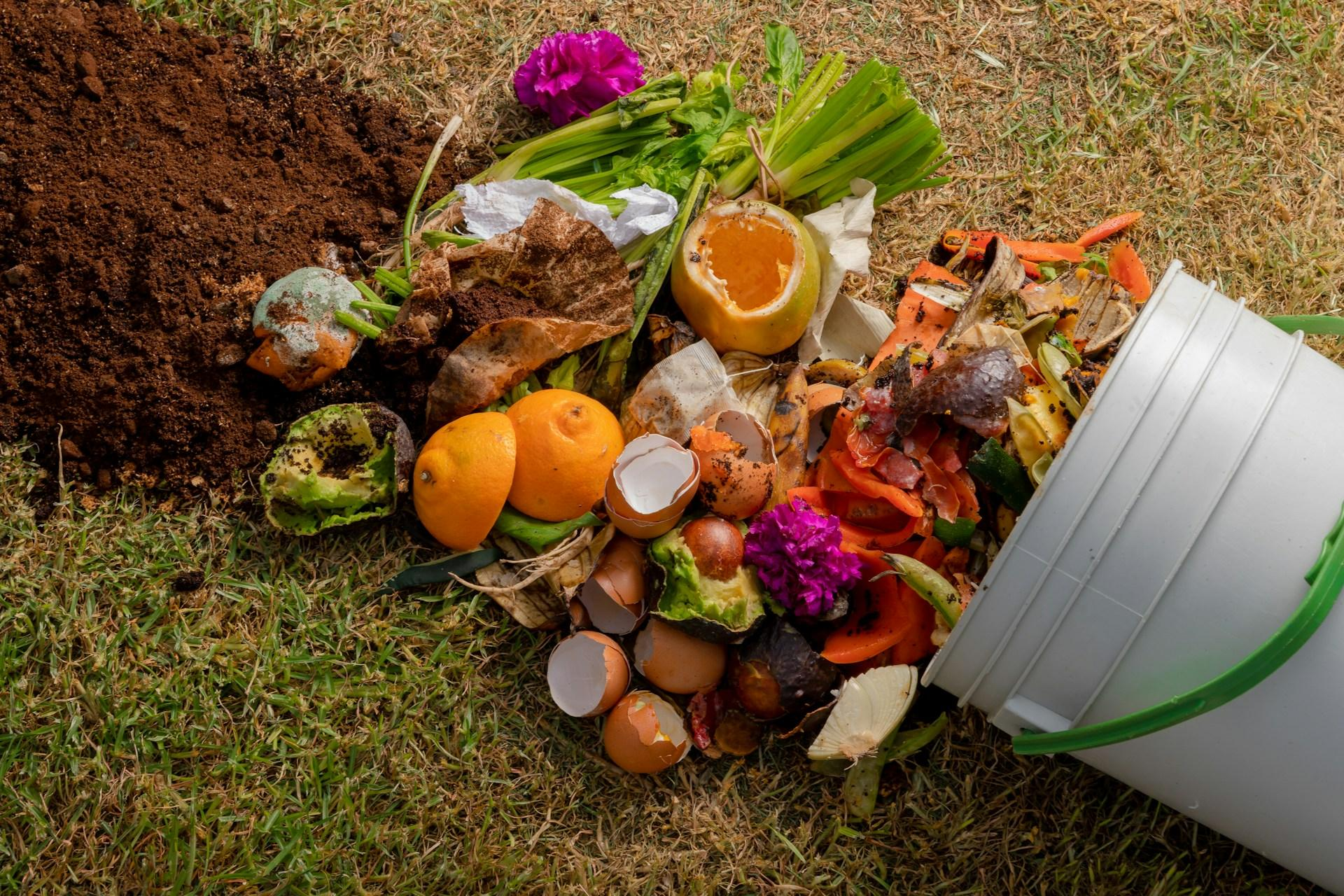
"Compostable" is a much more specific claim, meaning a material will break down into carbon dioxide, water, and biomass within a defined timeframe, under defined conditions, without leaving behind anything toxic.
The standard that governs this in the US is ASTM D6400 for plastics and ASTM D6868 for coated fiber products (like PLA-lined paper cups). To pass, a product must hit three benchmarks:
At least 90% of its organic carbon must convert to CO₂ within 180 days. At least 90% of the material must disintegrate through a 2 mm sieve within 12 weeks. And the resulting compost must pass ecotoxicity testing and heavy-metal limits.
All of this happens under industrial composting conditions: sustained temperatures around 58°C (136°F), controlled moisture, and active microbial management. The European equivalent is EN 13432, which applies essentially the same thresholds.
The critical distinction: compostable specifies both a timeframe and an environment. Biodegradable specifies neither. That's the entire difference, and it's the one that matters for regulatory compliance.
Why Does the Difference Matter for Packaging?
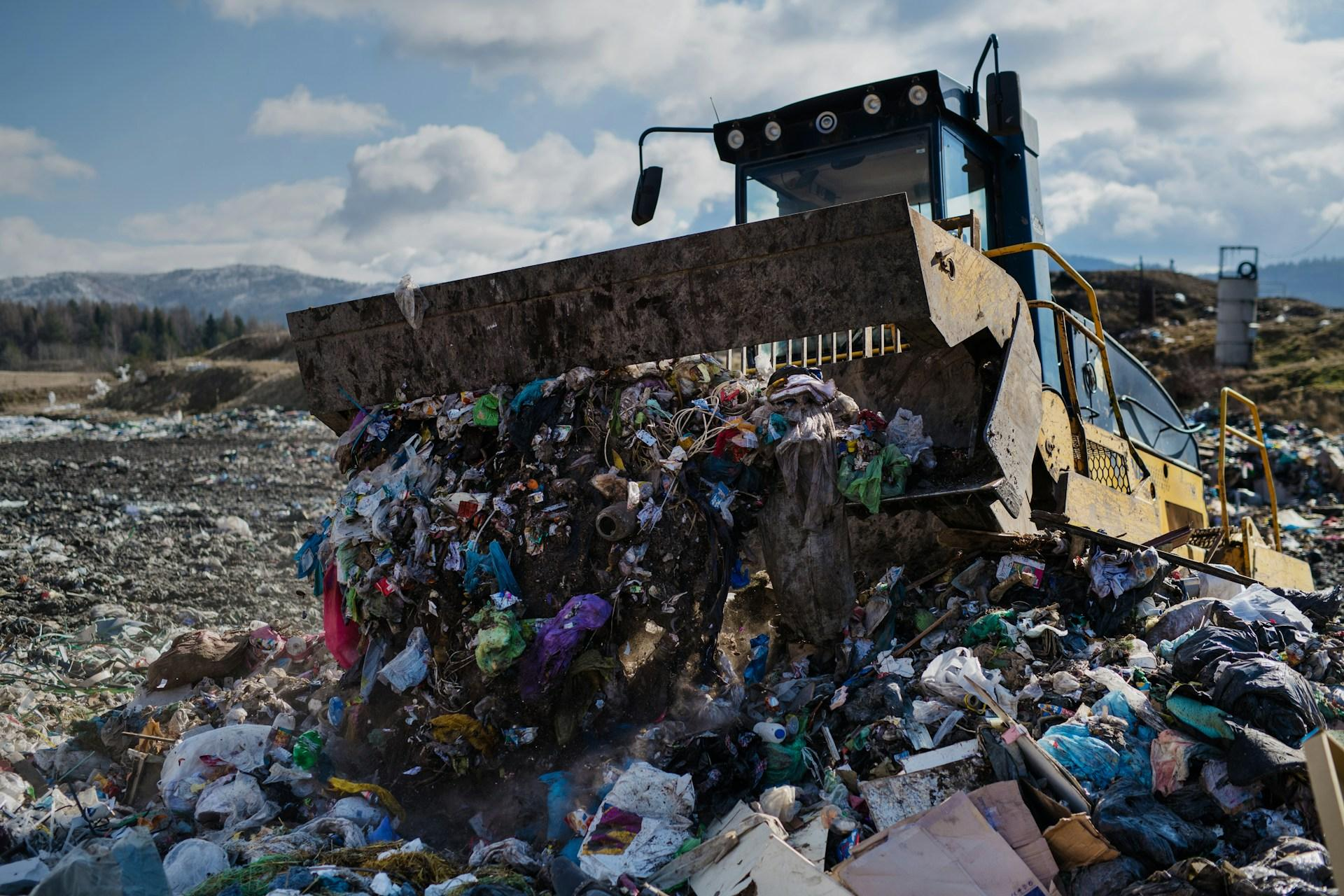
Because putting "biodegradable" on packaging without the evidence to back it up is now a measurable legal risk.
The FTC made this clear in its 2013 enforcement sweep, which targeted companies including ECM BioFilms and AJM Packaging for marketing plastic additives and products as "biodegradable" when they wouldn't decompose in any realistic disposal scenario.
AJM paid a $450,000 civil penalty. The Sixth Circuit upheld the ECM order in 2017.
In 2022, the FTC hit Kohl's and Walmart with $5.5 million in combined penalties over misleading "bamboo" textile claims, another signal that vague green marketing now invites serious money.
The EU went even further with the Single-Use Plastics Directive.
Article 5 bans Oxo-degradable plastics outright. These are conventional plastics (usually PE or PP) with metal-salt additives that cause the material to fragment under UV light. They don't biodegrade. They break into microplastic fragments.
The EU concluded they make the pollution problem worse, not better.
And then there's the research that put numbers on the gap.
A widely cited Plymouth University study (Napper & Thompson, Environmental Science & Technology, 2019) buried five types of bags — including one labeled "biodegradable" and one certified compostable to EN 13432 — in soil and seawater for three years.
The "biodegradable" bag remained intact after three years in soil and could still hold a full shopping load. The compostable bag disintegrated in seawater within three months but persisted in soil. Neither performed as most consumers would expect.
What Certifications Should You Trust?
For compostable products, third-party certification is the only way to verify the claim actually holds up.
In the US, the Biodegradable Products Institute (BPI) certifies to ASTM D6400 and D6868 and requires that products contain no intentionally added PFAS.
The Compost Manufacturing Alliance (CMA) goes a step further, testing products in real operating composting facilities rather than just lab conditions.
In Europe, TÜV Austria's OK compost INDUSTRIAL certifies to EN 13432, while OK compost HOME applies a stricter standard for lower-temperature home composting.
The Seedling logo, licensed by European Bioplastics, also certifies to EN 13432 and is widely recognized across EU markets. For "biodegradable" on its own?
There's no broadly recognized equivalent certification. TÜV does offer OK biodegradable marks for specific environments (SOIL, WATER, MARINE), but each one requires a defined disposal setting, which circles back to the same principle.
The moment you define the environment and the timeframe, you've moved past "biodegradable" and into territory that looks a lot more like compostability.
If a product says "biodegradable" without a third-party mark and a specified environment, treat it as marketing copy, not a verified sustainability claim.
The Bottom Line
The packaging industry has spent years using "biodegradable" and "compostable" interchangeably, and regulators have spent the last decade making clear that they're not the same thing.
"Biodegradable" is a description of a process with no guaranteed outcome. "Compostable" is a testable, certifiable standard with defined timelines, conditions, and toxicity limits. One is a marketing term. The other is a specification.
For buyers and brand owners, the practical takeaway is simple.
If you're specifying eco-friendly packaging, require a BPI or TÜV certification mark, confirm that your disposal pathway actually supports composting, and keep the word "biodegradable" off the label unless you can meet the FTC's one-year decomposition standard under real-world disposal conditions. Very few products can.
And if end-of-life certainty is what you're really after, it's worth noting that some materials skip this debate entirely.
Aluminum, for example, doesn't biodegrade or compost, but it can be recycled indefinitely without losing quality, which is a sustainability story that doesn't depend on composting infrastructure that may or may not exist in your region.