
Sep 20, 2026
By
uCan-Packaging
Can I Use Aluminum Bottles for Alcoholic Beverages?
As the sun shines, the birds sing, and we settle down to enjoy a summer of sport and fun times with friends, it’s likely that the drinks will be flowing, both soft, and alcoholic.
Whether it’s beer, hard cider, wine, cocktails, or spirits, the way that consumers enjoy their beverages is changing. These days, it isn’t just the strength of the booze, or the price of the booze, that consumers are interested in. Consumers want value-for-money, quality produce, and perhaps most important of all – they want sustainability.
As sustainability is such a focal point across such a large demographic of alcohol consumers of a legal age, drinks manufacturers worldwide are reevaluating their business practices and the packaging that they use. As a result, strong, durable, economic, and sustainable packaging alternatives are being rolled out across different nations. Aluminum bottles in particular, are leading the way.
So, can you use aluminum bottles for alcoholic drinks? Absolutely, and here’s a look at why that is.
Alcohol Packaging Over the Centuries
Whilst plastic packaging is common across a large number of different sectors and industries, interestingly, it is nowhere near as prominent in the alcoholic drinks industry as it is with others. This is just as well, as plastic packaging is gradually being phased out and replaced, due to the damage it does to the environment.
Rather than plastic, when we think of alcohol packaging, we think of glass bottles and aluminum cans. Initially however, things were very different. Human beings have been fermenting drinks and brewing alcoholic beverages in some form or another for centuries. As far back as 6,000 BCE for example, in countries across Asia, the Mediterranean and the Middle East, alcoholic beverages like wine would be stored in clay and ceramic vessels.
Glass has been used as early as the 17th century, though it was not as prominent then as it is now. Aleskins, wooden casks, and steel kegs have also proved very popular, and for good reason. It wasn’t until the 1950s, that aluminum emerged as a viable option for beer. In 1958, Primo Beer became the first US brand to store beer in 100% aluminum cans.
Shortly afterwards, other brands would follow suit, and the design of the can in general, would undergo a few noticeable changes. Most notably was the introduction of the ring pull tab in 1963, and the detachable ring pull tab in 1975.
As the decades ticked by, three-piece steel cans, which were also used for storing beer, cider, and similar alcoholic beverages, were replaced completely by aluminum.
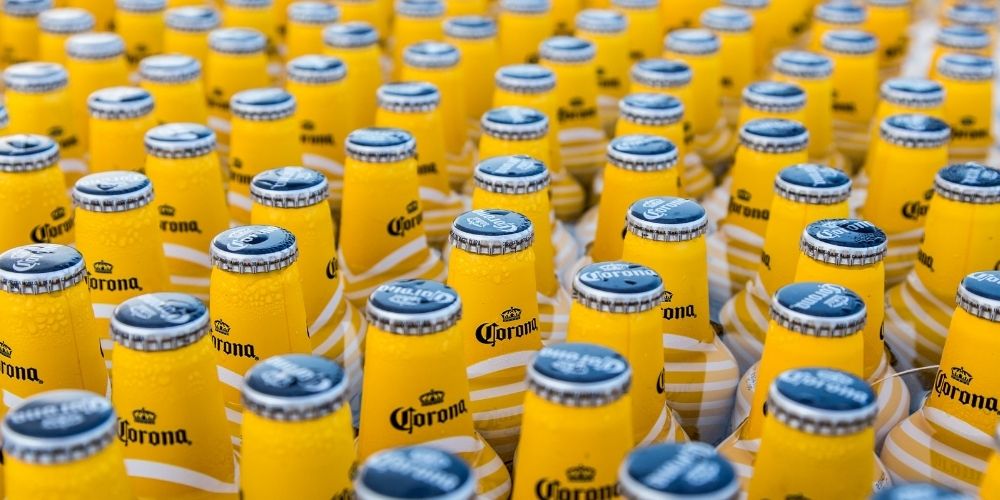
While aluminum proved very popular for beers, ciders, and even ready-to-drink cocktails, it almost exclusively took on the form of a can. Bottles were exclusively made from glass, be they for beer, wine, cider, spirits, or anything else. Until now…
In recent years, as companies make such a conscious effort to be more sustainable and eco-friendly, aluminum bottles have emerged as a surprising replacement for glass. This in turn has led to a significant increase in the number of alcoholic beverages being packaged in aluminum bottles.
Why Aluminum Bottles are Ideal for Alcoholic Beverages
As aluminum bottles continue to grow in popularity within the alcoholic drinks sector, in this next section we’re going to look at precisely why that is.
Here’s a look at a few reasons why aluminum bottles are perfect for alcoholic beverages.
Helps Retain Carbonation
Many alcoholic beverages are designed to be ‘sparkling’ which essentially means that they’re carbonated with CO2 to make them fizzy. Aluminum bottles help to lock in carbonation and protect the contents inside. This means that beverages like sparkling wine, cider, and hard seltzers retain their carbonation for longer.
Keeps Drinks Fresh for Longer
If alcoholic beverages are exposed to things such as light, moisture, oxygen, or bacteria, this can cause them to spoil, or at the very least, lose their carbonation or develop an unpleasant, stale taste and aroma that consumers are not going to enjoy.
A key advantage of aluminum drinks bottles for alcohol is that the aluminum forms a protective barrier and helps to keep the contents inside fresh for longer.
Protection Against Breakages
Another reason why so many alcoholic drinks manufacturers are switching from glass to aluminum, is the fact that aluminum bottles help to protect against breakages.
As great as glass bottles are, if they’re dropped on a hard surface, or banged about too hard, they can break. Once the bottle breaks, the entire contents will need to be discarded as it could be contaminated with shards of broken glass.
Aluminum may be light, but it is deceptively strong and durable, meaning there is less risk of a breakage occurring with an aluminum drinks bottle. This helps keep consumers safe and happy, it reduces the risk of refunds being issued, and negative reviews, plus it means consumers waste less stock.
Helps Keep Drinks Cold for Longer
During a hot summer’s day, there’s nothing finer than a chilled glass of sparkling wine. The problem with glass bottles is that glass heats up quickly, and as it is so thick it takes longer to cool down. This means that drinks packaged in glass bottles also take longer to cool down.
Aluminum, however, offers fantastic thermal properties which helps it to cool down faster in fridges, chillers, and ice buckets, plus it retains cold temperatures for longer. This means you don’t need to worry about your drink heating up too quickly in the sun. You can simply sip your drink, savor the flavor, and enjoy how cold, delicious, and refreshing it is.
Highly Sustainable
Finally, aluminum is quickly proving to be more sustainable than glass , making it perfect for environmentally conscious drinks manufacturers.
It is lightweight and therefore has a lower carbon footprint, plus it is infinitely recyclable with no loss in quality or strength, with the added bonus of requiring just 5% of the energy needed to make it from new.