
Jun 7, 2026
By
uCan-Packaging
Does aluminum tarnish black? Your guide to understanding aluminum oxidation
Summary: Aluminum doesn't rust like iron does, but it does react with air. This reaction is called oxidation, and it can leave a dark gray or black film on the surface. That film helps protect the metal underneath. To stop oxidation completely, aluminum packaging always has a thin food-grade coating on the inside.
What does it mean when aluminum "tarnishes"?
Tarnish is a thin layer of corrosion that forms on the outer layer of metals like copper, brass, silver, and aluminum when their surface reacts chemically with the environment. With silver and copper, that reaction with oxygen or sulfur compounds in the air produces a familiar black or green discoloration.
Aluminum behaves differently. It does react with oxygen, but the result is not the heavy, flaky build-up you see on iron when it rusts.
So does aluminum tarnish black? Sort of, and the explanation comes down to chemistry.
How aluminum oxidation works
When you take a fresh piece of aluminum and leave it in the air, something happens almost instantly. In just a few seconds, the aluminum reacts with oxygen and forms a super-thin protective layer on its surface. This layer is called aluminum oxide.
This protective layer is incredibly thin at only about 2 to 3 nanometers thick. To picture how small that is: it’s thousands of times thinner than a human hair.
This thin layer works like an invisible, built-in shield. Scientists call this process passivation. The shield sticks tightly to the aluminum and stops oxygen and moisture from reaching the metal underneath.
That’s why aluminum doesn’t rust away like iron does, even though it’s a very reactive metal.
So why does aluminum sometimes look black?
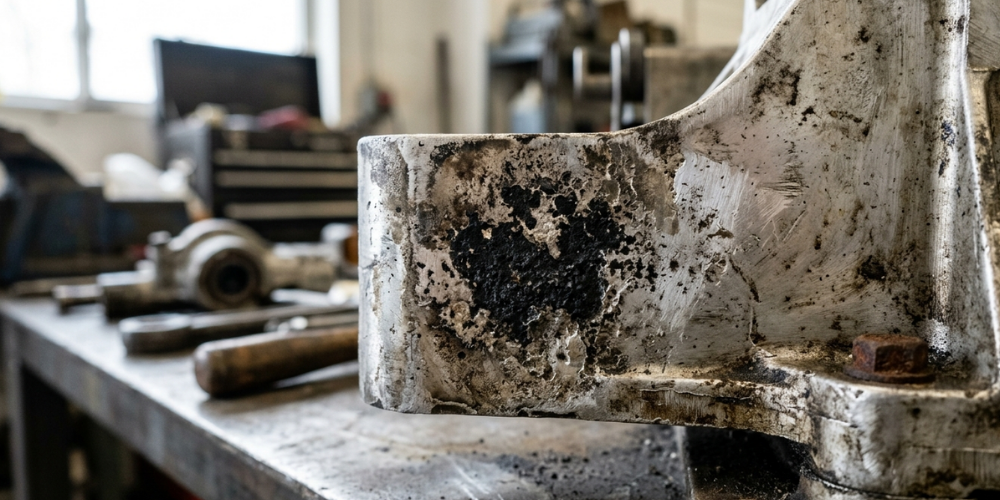
The dark color shows up when the oxide layer reacts with acids, salt, moisture, or heat. Over time, the oxide gets thicker, traps tiny particles, and darkens.
You've probably noticed this without realizing what was happening.
A few common examples:
Cookware turns dark after cooking tomato sauce, lemon juice, or other acidic foods, or after a few trips through the dishwasher.
Polished aluminum leaves dark smudges on your cleaning cloth when you wipe off the oxide layer.
Outdoor aluminum in beach towns develops a chalky gray film from salt in the air.
Wet storage speeds the whole process up, especially in humid places like basements or garages.
The discoloration is cosmetic. The aluminum underneath stays just as strong as before, and most cookware stains lift off with a paste of cream of tartar and water, or with regular aluminum cleaner.
Why aluminum packaging stays bright
This is where packaging design pays off. Aluminum tins, bottles, and food containers never look tarnished because they have a thin food-grade coating on the inside.
The coating does two jobs. It keeps the product from touching the metal, and it stops moisture, acid, or salt from causing oxidation. The outside has its own clear coat that protects the finish from scratches, sunlight, and shipping bumps.
Without these coatings, acidic products like fruit juice or coffee would react with the metal in days, change flavor, and spoil sooner. With proper coating, aluminum packaging stays clean and food-safe for years.
What's inside a food-grade can liner
For decades, the inside of most aluminum cans has been coated with a tough, plastic-like material called epoxy resin. This epoxy is often built using a chemical called BPA, short for bisphenol A.
The coating has to hold up under harsh conditions. It needs to survive heat sterilization, contact with acidic or salty foods, and the stress of being bent into shape during manufacturing.
In recent years, concerns about BPA pushed the industry toward safer options. Many brands now use BPA-free coatings, like the valPure range from Sherwin-Williams. In 2024, the European Union banned BPA in food-contact packaging, speeding up the switch worldwide. Many brands now print "BPA-free" on their labels to signal the upgrade.
Spotting the signs: what aluminum tells you
Once you know what to look for, the surface of aluminum tells you exactly what's going on. Here is a quick guide to the most common marks:
Light, powdery white-gray film
The normal oxide layer. Totally harmless. A damp cloth will wipe it right off.
Dark gray or black streaks
Loose oxide left behind by detergent or hard water. It looks dramatic but only affects the surface, not the metal.
Pitting or small flakes coming off
This one is serious. Long-term contact with acid or salt is starting to eat into the metal. Time to replace the item or stop using it for food.
White crystal-like crust (common near the coast)
Salt in the air has built up over time. Rinse with fresh water and dry the piece off completely.
Dark spots inside a coated tin or bottle
The protective coating has likely been scratched or worn through. If you bought it as food packaging, reach out to the supplier or stop using it for food.
Why aluminum is built to last
What looks like tarnish on aluminum is a sign of the metal protecting itself. That same oxide layer is why aluminum lasts for decades in everyday use. With a proper food-grade coating, tins and bottles skip the dark stage entirely.