
Oct 4, 2026
By
uCan-Packaging
Holiday Packaging That Drives Sales: A Guide to Q4 Revenue Growth Opportunities
When Starbucks launched its annual red cup tradition, it didn't just create a marketing moment—it drove a massive 42% revenue increase in November 2024 through strategic holiday packaging alone.
That's the power of getting festive packaging right.
With the holiday shopping market reaching $994 billion (unexpectedly growing a massive 4% year-on-year) and e-commerce growing 8.7% year-over-year, your packaging strategy can't be an afterthought.
The problem is that most businesses either miss the critical ordering window (it's earlier than you think) or they overspend without understanding what actually drives ROI.
You can’t simply spend a small fortune on festive-styled packaging and expect it to work. It’s money down the drain. You need a strategy, proper investment, and a grounded approach.
In this guide, you'll learn exactly why holiday packaging works, when to order, how much to budget, and which trends actually convert browsers into buyers and a solid ROI in your bottom line.
The revenue impact of strategic holiday packaging
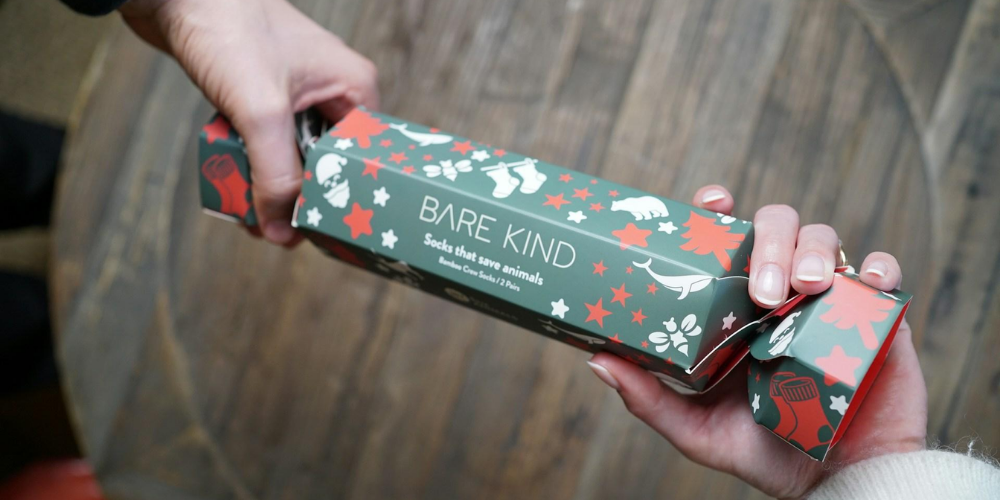
Research shows that 72% of purchase decisions are directly influenced by packaging design.
There’s an entire psychology to this, and while we’re told to never judge a book by its cover, that’s exactly what consumers do every single day, dozens of times. You see, the business world has never been more competitive, with endless brands and names to compare.
Consumers cut through the noise by quickly browsing the packaging for brands that suit their tastes, then narrowing down their choices from there. Once they find a product that matches their taste and alleviates reservations, they’ll make their purchase.
Common alleviations include:
Quality concerns - Premium materials signal product quality
Safety doubts - Tamper-evident seals and certifications build trust
Value uncertainty - Substantial packaging justifies higher price points
Sustainability guilt - Eco-friendly materials align with consumer values
Brand credibility - Professional presentation establishes legitimacy
Gift-worthiness - Attractive packaging eliminates the need for gift wrap
Authenticity questions - Clear labeling and proper branding prevent counterfeit concerns
Freshness worries - Airtight, protective packaging ensures product integrity
Post-purchase regret - Reusable containers provide ongoing utility and value
Ingredient/content confusion - Transparent labeling and clear windows reduce uncertainty
Storage challenges - Stackable, durable packaging offers practical benefits
Environmental impact - Recyclable materials reduce eco-conscious buyer hesitation
Price justification - Premium presentation validates premium pricing
Brand unfamiliarity - Professional packaging builds instant credibility for new brands
This is what your current packaging does all the time, so how can you use holiday packaging to benefit your bottom line? Well, it comes down to three measurable business outcomes that justify every dollar invested.
First: Dramatic sales increases that outperform standard packaging by multiples, not margins.
Research consistently demonstrates the powerful impact of seasonal packaging on consumer behavior and sales. Premium packaging designs can boost shelf appeal by up to 30% ( Pack Supply ), while 81% of impulse buying decisions are attributed to the attractiveness of packaging ( Packaging Digest).
The financial impact is equally compelling: nearly two-thirds of consumers are willing to spend more on products with premium, holiday-themed packaging ( Noramble ).
Perhaps most dramatically, a conjoint study on Halloween-themed chocolate packaging found that festive packs generated 276% higher preference share compared to standard packs at the same price point, with consumers willing to pay a 22.63% premium for seasonal packaging. Introducing even a single seasonal pack alongside standard options increased total brand preference share by an average of 189% ( EPIC Conjoint ).
Holiday packaging isn't a festive decoration—it's a strategic revenue driver that commands premium pricing while significantly expanding market share.
Second: Social amplification that turns customers into marketers.
40% of online shoppers share purchases with memorable packaging on social media ( Ecommerce Fastlane ), creating free brand exposure during the season's highest-traffic shopping period.
If you have interesting packaging that goes viral, even better. Louis Vuitton’s Lego Holiday packaging and GlossyBox’s Black Friday limited edition showcase this perfectly.
Better yet, customers who provide referrals have a 25% higher lifetime value than those who don't—meaning great unboxing experiences don't just create one-time buzz; they attract more valuable, long-term customers.
Third: Converting impulse purchases during the gift-giving frenzy.
During holiday shopping, decision-making shifts.
The 81% impulse purchase rate, driven by attractive packaging, becomes your competitive advantage when shoppers are racing through stores or scrolling endlessly online, seeking gifts that feel special without requiring extensive research.
When you also consider factors such as material, sustainability, design, and affordability, you can begin to develop a holiday packaging strategy that delivers tangible results.
Critical deadlines for Christmas delivery (start in July or pay more)
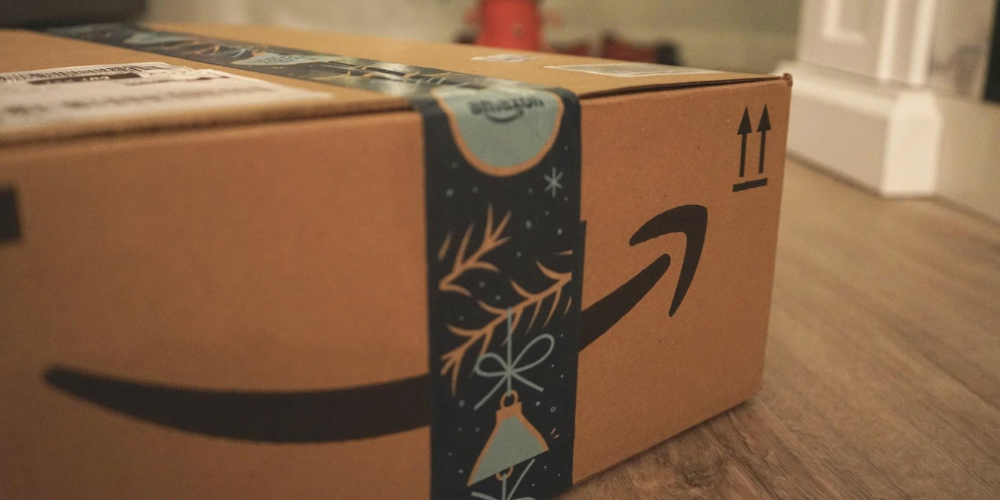
November 28 is your absolute deadline for Christmas packaging orders. Miss that date, and you'll either pay 20-50% rush fees or ship in generic boxes, while your competitors create memorable experiences.
But it should never get to that point, as an intentional business should be operating far ahead of this timeline.
More often than not, if you want holiday packaging in your warehouse by the end of October (which is where you need to be), you need to start in July.
Here's what that timeline looks like in practice. In July and August, you're finalizing your design concepts and locking in suppliers.
This isn't just picking colors—you're requesting samples, approving artwork, and signing off on specifications.
September marks the start of production, which typically takes 20-35 business days, depending on your packaging type. That's roughly six to seven weeks, not including shipping.
In October, you're receiving inventory, conducting quality checks, and preparing your warehouse team.
By early November, you're in last-call territory for standard orders.
The production times vary significantly by packaging type, and I've learned this matters more than people realize.
Mailer boxes are your fastest option, with delivery in 12-15 days. Folding cartons take 20-25 days. Rigid boxes—those premium gift boxes with magnetic closures—require 20-35 days.
Custom pouches can range from 10 to 30 days, depending on whether you're using digital printing or traditional methods.
Don’t forget about shipping.
Domestic production and shipping take 2-3 weeks total. Overseas manufacturing? You can expect 40-50 days for standard ocean freight. Yes, you can save 30% on production costs by going overseas, but you need to plan accordingly.
Too many businesses try to save money with overseas suppliers, not factor in the extended timeline, and end up paying more in rush air freight than they saved on production.
If you miss the standard timelines, rush fees add 20-50% to your costs. That $2 per unit mailer box suddenly becomes $3, which destroys your margin calculations.
For the other major holidays, here's your quick planning guide from my seasonal calendar: Valentine's Day orders need to be placed by December. Easter packaging should be ordered by January. Halloween requires ordering by June or July.
The pattern here is simple—plan 4-6 months ahead, always.
What holiday packaging actually costs in 2026
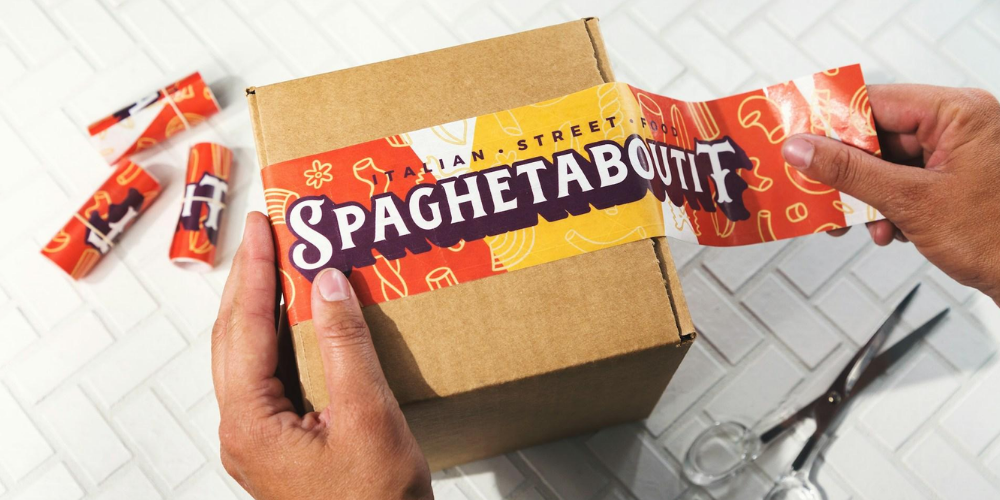
Let's talk real numbers, because "contact for pricing" doesn't help you plan budgets or get leadership approval.
Budget folding cartons for 100-unit runs cost between $0.50 and $2.00 per piece. These are your basic custom-printed boxes—functional, branded, but not luxurious. Custom mailer boxes in quantities of 250+ units run $1.00-$3.00 each.
These are the self-sealing boxes you see from successful DTC brands with full-color printing and decent structural quality. Premium rigid boxes for luxury positioning start at $2.00 and go up to $5.00 or more.
These are the showstoppers, featuring special finishes, magnetic closures, and the unboxing experience that ends up on Instagram.
Consider minimum order quantities.
Standard minimums range from 250 to 1,000 units, which represents a significant cash outlay for small businesses. If you're a minor operation or testing holiday packaging for the first time, companies like Packhelp offer 30-piece minimums, and Arka goes as low as 10 boxes.
The trade-off is higher per-unit costs, but it lets you test the waters without committing to massive inventory.
Typically, you’ll want to budget based on a percentage of your retail price. For budget products, allocate 1-5% of retail price to packaging.
Mid-range products should allocate 10-15% of their budget. Luxury items can justify 20-30% of retail price on packaging because the packaging itself becomes part of the product experience.
Don't forget the hidden costs that blow up budgets. Shipping adds 10-40% depending on whether you're sourcing domestically or internationally. Rush fees for late orders tack on 20-50%. Setup and design fees are typically $100-500 as a one-time cost.
Samples cost $50-200 but are absolutely non-negotiable—never commit to thousands of units without seeing and touching samples first.
When you're presenting this investment to leadership, here's the ROI calculation I use: Take your projected increase in average order value (conservatively, 10%), multiply by your expected holiday order volume, and subtract your total packaging investment.
If that number is positive—and it should be significantly positive—you have your business case.
2026 holiday packaging trends backed by consumer data

Pretty packaging is nice. Packaging that drives sales is better. Packaging that aligns with the trends of the year performs best because it demonstrates that you’re staying attuned to what consumers care about in the present moment.
Here are some considerations to think about.
Sustainability isn't optional anymore.
90% of consumers prefer sustainable packaging options, and 54% deliberately chose eco-friendly packaging in the last six months alone. The materials that work: FSC-certified cardboard, compostable mailers, and soy-based inks.
However, avoid greenwashing at all costs. Brands get called out on social media for claiming "eco-friendly" packaging that wasn't actually recyclable in most municipal systems.
Be specific about what's recyclable, what's compostable, and what the actual end-of-life process looks like. Consumers are savvy now, and misleading claims damage trust permanently.
Unboxing experiences drive social sharing.
Some reports suggest that a massive 72% of customers share their unboxing experiences on social media, essentially providing free marketing.
The brands winning here use layered packaging—think branded tissue paper, thank-you notes, and small surprise elements.
One strategy that is working incredibly well is using QR codes to link to exclusive holiday content. Always a great way to incentivize customers to be a little more engaged and immersed in what you’re offering.
Personalization at scale is now cost-effective.
Hand in hand with the strategy above, 80% of consumers are more likely to engage with brands offering personalized experiences. Variable data printing has become affordable enough that you can add customer names, custom inserts, or unique discount codes, even at moderate volumes.
Technology integration is the frontier.
Augmented reality experiences increase engagement by 200% according to recent data. Food brands are using smart packaging with freshness indicators.
Luxury goods companies embed NFC chips for authentication. This isn't science fiction—it's happening now, and it's more accessible than you think.
Let's address the elephant in the room: color palettes.
Sure, Christmas is red and green, Halloween is orange and black, and so on, but consider that these palettes are oversaturated. Think outside the box and use black and gold for luxury positioning, soft pastels for modern brands, and vibrant multi-color gradients for Gen Z audiences.
The key is staying festive while maintaining your brand identity.
How top industries approach holiday packaging
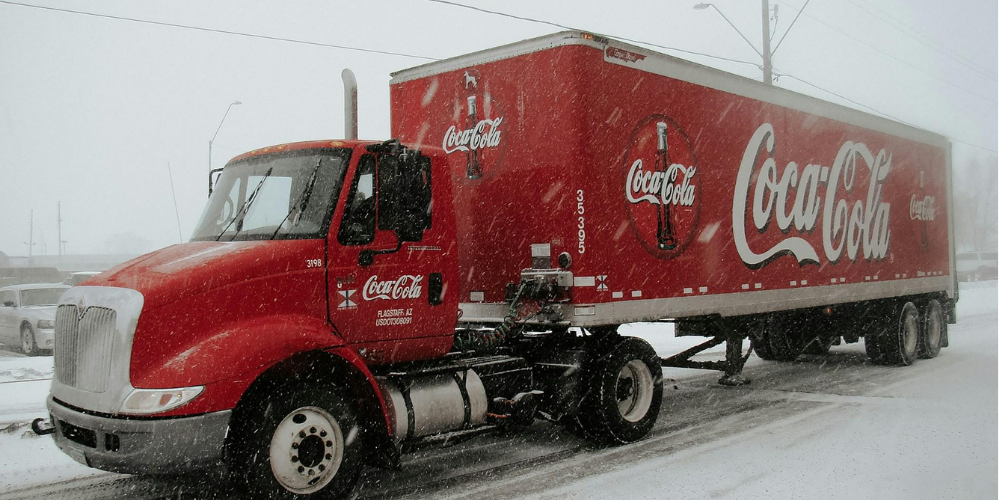
One size doesn't fit all, and I've learned that your industry dictates your strategy more than generic best practices ever will.
Food and beverage brands need to focus on shelf impact and limited-edition collectibility. The seasonal blend strategy works—just look at how coffee and spirits brands create urgency with holiday-only flavors in distinctive packaging.
The most important consideration here: if your packaging has direct food contact, you need FDA compliance. That's non-negotiable and affects material selection.
Beauty and cosmetics companies dominate the advent calendar market, with price points ranging from $100 to $150 or more. And again, think outside the box. More and more brands create reusable packaging that doubles as home décor—like KAJA's ornament-shaped containers, which customers hang on their Christmas trees year after year.
Premium finishes matter here: holographic effects, metallics, and soft-touch coating elevate perceived value dramatically.
E-commerce and DTC brands face a unique challenge: your packaging needs shipping durability and Instagram-worthy unboxing appeal.
The sweet spot is custom mailer boxes at $1-3 per unit with a protective outer layer and a branded inner experience. The box protects during shipping, but the inside delivers the emotional impact.
Retail and brick-and-mortar businesses need immediate shelf impact.
Your packaging competes with dozens of other products in the customer's field of vision. A gift-ready presentation is crucial—customers shouldn't need to rewrap your product.
Point-of-sale displays drive impulse purchases, and quick-turnaround capabilities are crucial because retail orders often come with tighter deadlines than those for e-commerce.
How to find reliable packaging partners
The domestic versus overseas decision comes down to a simple framework.
Choose domestic suppliers when your timeline is tight, your order is under 5,000 units, or you need hands-on quality oversight. Choose overseas manufacturing when volume exceeds 10,000 units, you have 12+ weeks of lead time, and price is your primary concern.
Here's a non-negotiable vetting checklist.
Request samples before committing to anything—this is where you catch quality issues, color mismatches, and structural problems. Verify certifications like FSC for sustainable materials and ISO standards for manufacturing quality. Check references from current clients, specifically asking about on-time delivery rates.
Anything below 98% on-time delivery should be a red flag. Confirm all costs upfront: setup fees, shipping, potential rush charges, and any minimums.
For small businesses testing holiday packaging, start with low-MOQ suppliers. Packhelp offers a 30-piece minimum, Arka goes as low as 10 boxes, and VistaPrint offers single-item printing.
These won't give you the best per-unit pricing, but they let you validate the strategy before committing serious capital.
The red flags to watch for include vague timelines without specific production dates, suppliers who refuse to send samples, unclear pricing structures, and poor responsiveness to communication.
If a supplier takes three days to answer simple questions during the sales process, imagine how slow they'll be when you have an urgent production issue.
Your action plan starts now
The companies winning the holiday season aren't necessarily spending the most—they're planning the earliest and executing the smartest.
Your immediate next steps are straightforward.
First, mark your calendar now: November 28 is your deadline for Christmas orders, which means you should finalize designs this month if you're reading this in September or October.
Second, calculate your budget using the 10-15% of retail price framework for mid-range products.
Third, request samples from at least three suppliers this week. Seeing and touching the actual packaging changes your perspective entirely.
Remember, that a 20% average order value increase is waiting for brands who approach holiday packaging strategically. The question isn't whether you can afford to invest in festive packaging—it's whether you can afford not to while your competitors create memorable experiences that drive repeat purchases.