
Jul 7, 2026
By
uCan-Packaging
How Aluminum is Produced and Why It’s Always Better to Recycle It
Aluminum is one of the most versatile and durable metals in the world today. It is used in a variety of different applications and is found in everything from kitchen cookware to vehicle parts.
In recent years, however, this strong and lightweight metal has become especially popular in the packaging industry. Packaging is one of the world’s leading causes of plastic pollution, which is why so many nations are moving away from single use plastic. In its place, aluminum packaging is proving to be an extremely viable, highly sustainable alternative.
Aluminum is one of the most sustainable materials on earth, with the added bonus of being extremely strong, light in weight, and secure while offering numerous protective properties. Surprisingly however, producing aluminum from new is extremely detrimental to the environment, with the entire process having a very large carbon footprint.
So, how exactly is aluminum produced from new, why is it so bad for the environment, and why is it always best to recycle it instead? Keep reading for the answers.
How is Aluminum Produced?
Producing aluminum from new is a highly complex, multi-step process with an extremely large carbon footprint.
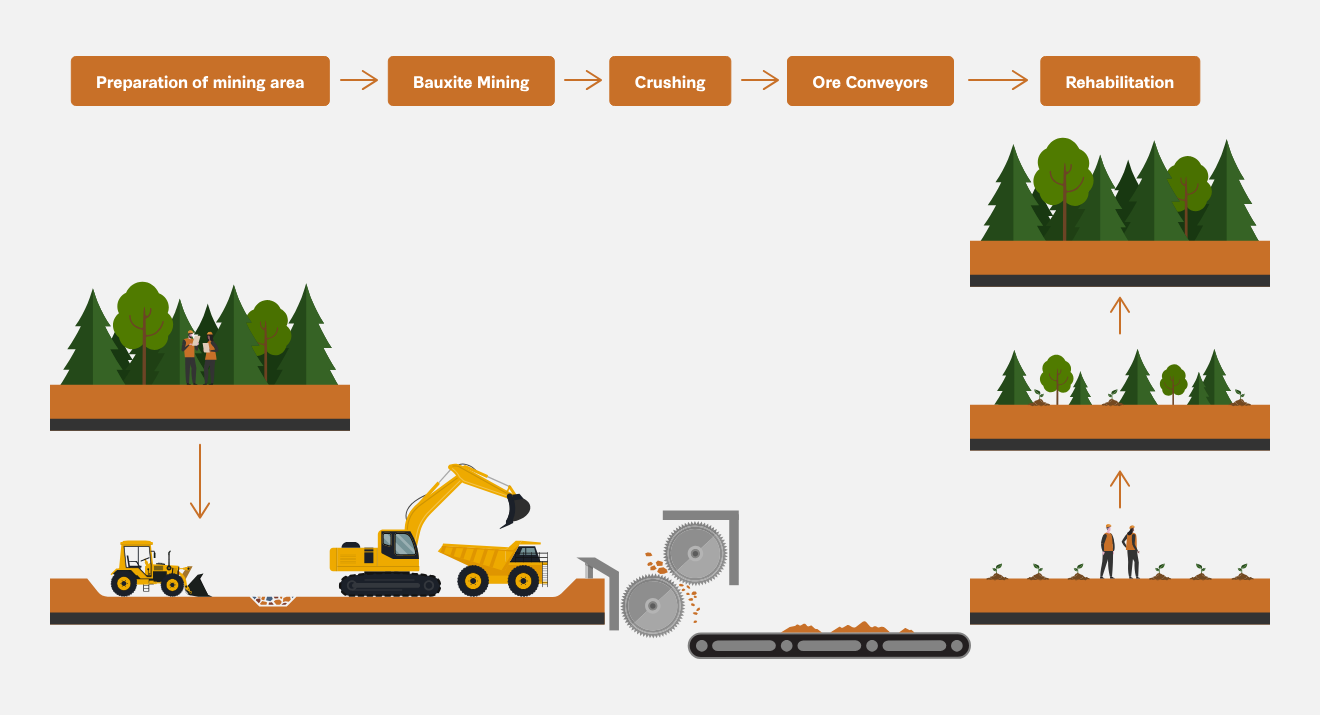
The aluminum ore must be mined, in the form of bauxite. Bauxite is a rock comprised of aluminum oxides, as well as multiple other minerals. Once the bauxite has been mined, it is then sent to refineries where it is refined into alumina, before eventually becoming aluminum.
The process begins with mining the bauxite from the ground. Once it has been mined and extracted, the bauxite is then sent to refineries where alumina is extracted from it, using what is known as the Bayer process.
Made famous by Austrian chemist Carl Josef Bayer in the 1890s, the bauxite is first combined with sodium hydroxide before being heated under extreme pressure. Here, the sodium hydroxide actually dissolves the aluminum oxide from the bauxite.
Next, the aluminum oxide is separated and filtered to remove any unwanted impurities. The residual impurities form a red colored sludge known as ‘red mud’ which must then be discarded and disposed of. Because the residue is rich in iron, it takes on a copper red color, which is where it gets its name. The aluminum oxide is then converted into sodium aluminate solution. The solution is then cooled before being precipitated into a crystalized, solid form of what is known as aluminum hydroxide.
Finally, these crystals are heated and washed and heated in industrial reactors known as calciners before forming alumina, which is pure aluminum oxide.
From here, the alumina undergoes an electrolytic reduction to be converted into aluminum metal. The liquid metal is then combined with other alloys, and is, essentially, ready for use. This smelting process, along with the red mud, both provide major environmental concerns. While aluminum production is now much greener than it once was, utilizing things such as renewable energy sources such as solar, hydro, and wind, producing aluminum from new still has a major environmental impact.
Why Recycling Aluminum is Always Best
By now, it’s clear that producing aluminum from new is not exactly kind to the environment. Not only do you have the extreme energy requirements and emissions to contend with, but there is also the matter of the bauxite residue, aka the red mud.
For each ton of aluminum produced, between 1 and 2.5 tons of red mud are left behind. Red mud has a high alkalinity, making it highly caustic and corrosive. It must therefore be carefully discarded and disposed of, though it can still pose a number of risks to the environment.
So, you may be wondering why aluminum is being hailed as one of the most sustainable materials in the world, and potentially, the future of packaging. Well, it all comes down to recyclability. You see, aluminum is one of the most highly recyclable materials in the world. Recycling it offers enormous energy savings, the metal can be recycled an infinite number of times, and the metal will not lose any strength or durability, regardless of how old it is or how many times it has been recycled. It is also very versatile, which means it can be used to make a variety of different packaging materials ranging from cans and tubes to blister pouches and foil trays.
Several key reasons to recycle your aluminum packaging include:
- Infinitely recyclable, with no loss of strength or durability
- Huge energy savings, as recycling aluminum uses 95% LESS energy than producing it new
- Lower carbon emissions
- Less mining required
- Less red sludge to contend with
- Less waste in landfill
- Strong, durable, and versatile packaging options, regardless of how frequently it has been recycled in the past
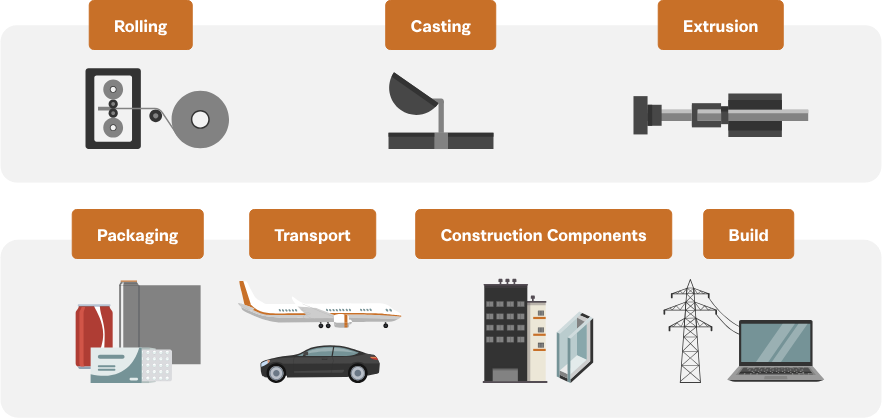
Image source: aluminium.org