
Dec 9, 2025
By
uCan-Packaging
Is Aluminum Sustainable? Facts For Businesses And Consumers
Sustainability has moved from a marketing claim to a measurable expectation. Consumers want to know where materials come from, how they’re made, and what happens after they’re thrown away. At the same time, brands are under pressure to reduce waste and meet environmental targets without compromising performance.
That’s why the question “Is aluminum sustainable?” keeps coming up. It’s used across food, cosmetics, pharmaceuticals, personal care, and beverage packaging—but popularity doesn’t automatically equal low impact.
Below, we’re looking at aluminum through four lenses: recycling, lifecycle emissions, circular economy potential, and what it means for both businesses and consumers.
What does “sustainable” really mean for packaging?
“Sustainable” is often used as a catch-all term, but in packaging it has a clear scope. A material isn’t considered sustainable just because it’s recyclable or made from natural resources—it’s about the full lifecycle. That includes how it’s sourced, how much energy is used to produce it, how long it stays in circulation, and what happens to it at the end of its use.
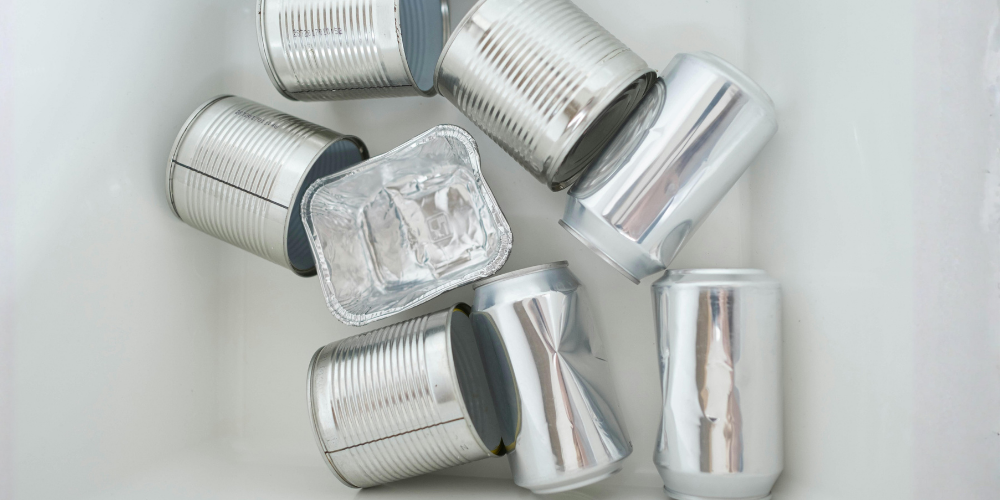
Recyclability, carbon footprint, waste reduction, and material recovery all play a role. A product that avoids landfill but requires intensive extraction might not score well overall. Aluminum is a useful example for this kind of assessment—widely used, highly recyclable, and part of multiple industries—which makes it a practical case study when discussing sustainability in real terms.
Is aluminum sustainable from a recycling standpoint?
When people ask “is aluminum sustainable?”, recycling is usually the first factor they consider—and for good reason. Unlike many materials, aluminum can be recycled repeatedly without losing purity or performance. This “infinite recyclability” makes it one of the few packaging materials that can genuinely stay in circulation rather than downcycle into lower-grade products.
Globally, around 75% of all aluminum ever produced is still in use today. In regions with established collection systems—such as the EU, Japan, and parts of the U.S.—recycling rates for aluminum packaging can reach 60–80%. In some beverage can streams, rates exceed 90%. These figures stand out when compared to materials that degrade in quality or face low recovery rates.
Recycling also changes the energy profile entirely. Producing aluminum from mined bauxite is energy-intensive, but using recycled aluminum cuts energy use by up to 95%. That has a direct impact on emissions and cost, especially for large-scale packaging production.
To put its recyclability in context:
| Material | Can It Be Recycled Repeatedly? | Average Global Recycling Rate | Quality Loss Over time |
|---|---|---|---|
| Aluminum | Yes | 60–80%
(Higher in cans) |
No |
| Glass | Yes | 30–50% | Minimal |
| Plastic | Mostly no | 10–20% | Yes
(Downcycling) |
Environmental impact: energy use and emissions
One of the biggest questions behind “is aluminum sustainable?” relates to how it’s made. Primary aluminum production starts with bauxite mining and smelting, both of which use significant energy and generate emissions. That’s where most of aluminum’s environmental criticism comes from—and it’s valid when virgin material is the main source.
The picture shifts when recycled aluminum enters the equation. Producing metal from post-consumer scrap uses up to 95% less energy than refining raw bauxite. It also cuts associated emissions dramatically, because the energy-intensive steps are skipped entirely.
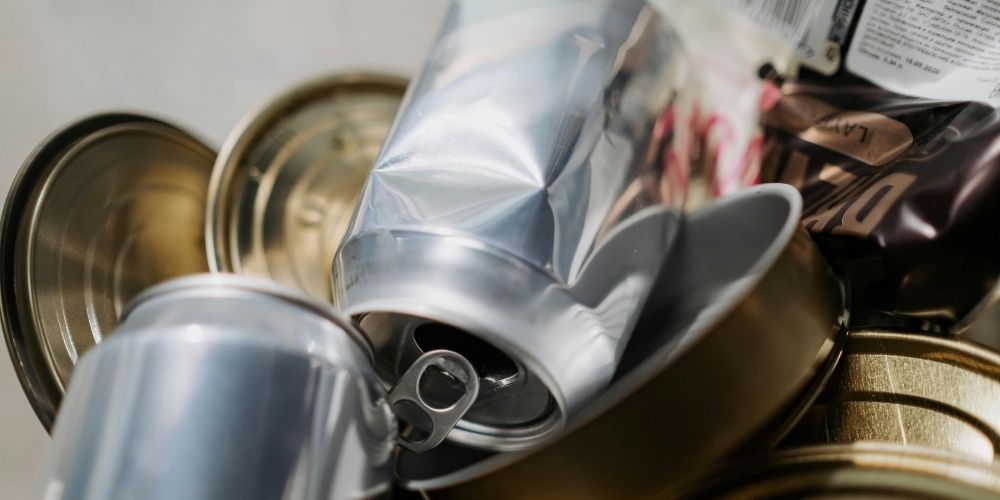
Closed-loop recycling systems—where used packaging is collected, remelted, and re-manufactured—can lower a product’s carbon footprint even further. In well-established recovery streams, such as beverage cans, recycled content regularly reaches 71–73% . The more circular the system, the smaller the environmental cost. That difference between primary and secondary aluminum is what determines its long-term impact.
Aluminum in the circular economy
Aluminum works well in a circular economy because it’s designed to stay in use rather than end up as waste. Once collected, it can be melted down and reformed without losing strength or purity, which makes it suitable for closed-loop systems. In sectors like food, cosmetics, and beverages, this circularity is already visible through can-to-can and jar-to-jar reuse cycles.
Established recovery streams, especially where deposit schemes or curbside collection exist, help keep the material in circulation. Unlike materials that degrade after one or two rounds, aluminum maintains value with each reuse. Its role in circular design depends less on the material itself and more on the systems built around it.
What businesses should consider
For companies, the sustainability question goes beyond material choice. Regulations and extended producer responsibility laws increasingly require transparency around sourcing, recyclability, and end-of-life outcomes. Sustainability reporting also pushes brands to account for emissions, resource use, and packaging recovery rates.
Beyond compliance, there’s growing consumer attention toward waste reduction and responsible packaging decisions. Lightweighting, recycled content, and clear disposal instructions are no longer optional; they’re becoming standard expectations. Aluminum performs well in many of these areas, but only when integrated thoughtfully. Businesses still need systems that support recovery, rather than assuming recyclability guarantees reuse.
What consumers need to know
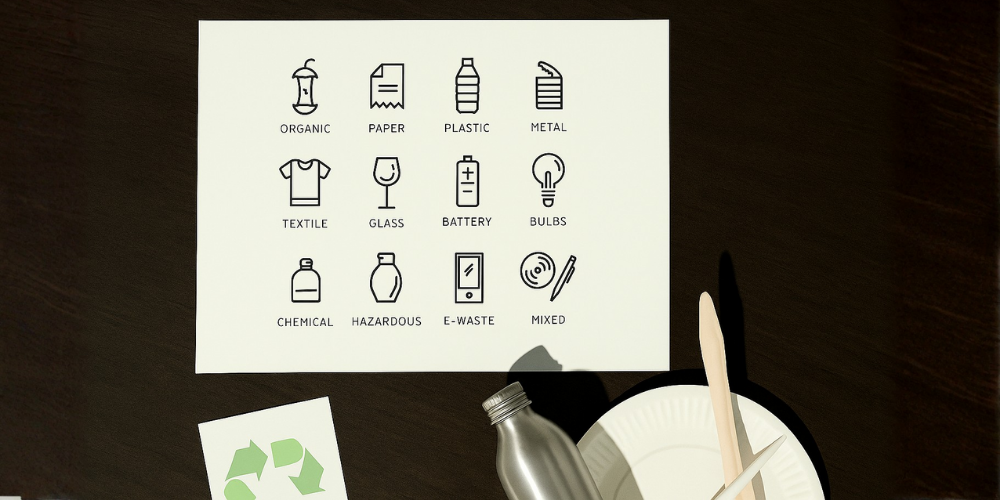
Recycling only works if the material makes it into the right stream. Many people assume metal packaging is automatically handled correctly, but contamination, mixed materials, and unclear labeling can undermine recovery. Aluminum is infinitely recyclable, but only when it’s cleaned, sorted, and placed in appropriate collection systems. Common misconceptions—like confusing it with single-use plastics or assuming small items can’t be recycled—also limit its impact. Clear disposal habits are as important as material choice.
Is aluminum sustainable in the long term?
The question “is aluminum sustainable” doesn’t have a single answer. It depends on how it’s sourced, used, and recovered. The material itself has strong advantages: infinite recyclability, high retained value, and compatibility with circular systems. The main limits come from energy use in primary production and inconsistent recycling infrastructure. With continued innovation and better collection systems, aluminum can remain one of the most sustainable packaging metals long term.
Before you decide
Recycling efficiency, lower emissions through secondary production, material circularity, and responsible use all make aluminum a strong contender in the sustainability conversation. The data shows the benefits are real when the right infrastructure and practices are in place.