
Sep 6, 2026
By
uCan-Packaging
What Is Frustration Free Packaging? (And Why It Matters)
If you've ever ordered a Lego set from Amazon and it arrived with the shipping label stuck directly on the retail box, you've encountered Frustration Free Packaging.
If you've ever spent five minutes fighting a sealed plastic clamshell with a pair of kitchen scissors, you've encountered the problem it was designed to solve — and so have about 6,000 emergency department visitors a year.
Frustration Free Packaging (FFP) is Amazon's certification for product packaging that ships in its own container, opens easily, and uses 100% curbside-recyclable materials. Amazon launched the program in November 2008 with just 19 products.
Today, it covers 18 million unique products globally and sits within a broader program called Ships in Product Packaging (SIPP), which directly affects what sellers pay in fulfillment fees.
How Does Frustration-Free Packaging Differ from Standard Packaging?
What is Frustration Free Packaging? | Amazon News
Standard retail packaging is built for store shelves.
It's designed to hang on pegs, resist shoplifting, and catch your eye from three feet away. That means sealed plastic clamshells, blister packs heat-sealed to printed cards, plastic-coated wire ties holding the product to inserts, exterior shrink wrap, and hang tabs.
All of it makes sense in a Target aisle.
None of it makes sense inside a shipping box.
FFP inverts those priorities.
Per Amazon's SIPP Certification Guidelines, the product's own packaging becomes the shipping container. No overbox, no clamshells, no packing peanuts, no shredded paper.
The packaging must be a six-sided box with no protrusions, made from 100% curbside-recyclable materials, and a customer must be able to remove all contents within 120 seconds using minimal tools.
Amazon's very first FFP redesign shows the difference clearly.
The Fisher-Price Imaginext Pirate Ship, one of the original 19 products, eliminated 36 inches of plastic-coated wire ties, more than 175 square inches of PVC blisters, two molded plastic fasteners, and over 1,500 square inches of printed corrugated inserts. What shipped instead was a right-sized corrugated box.
What's the SIPP Program, and How Did FFP Evolve Into It?
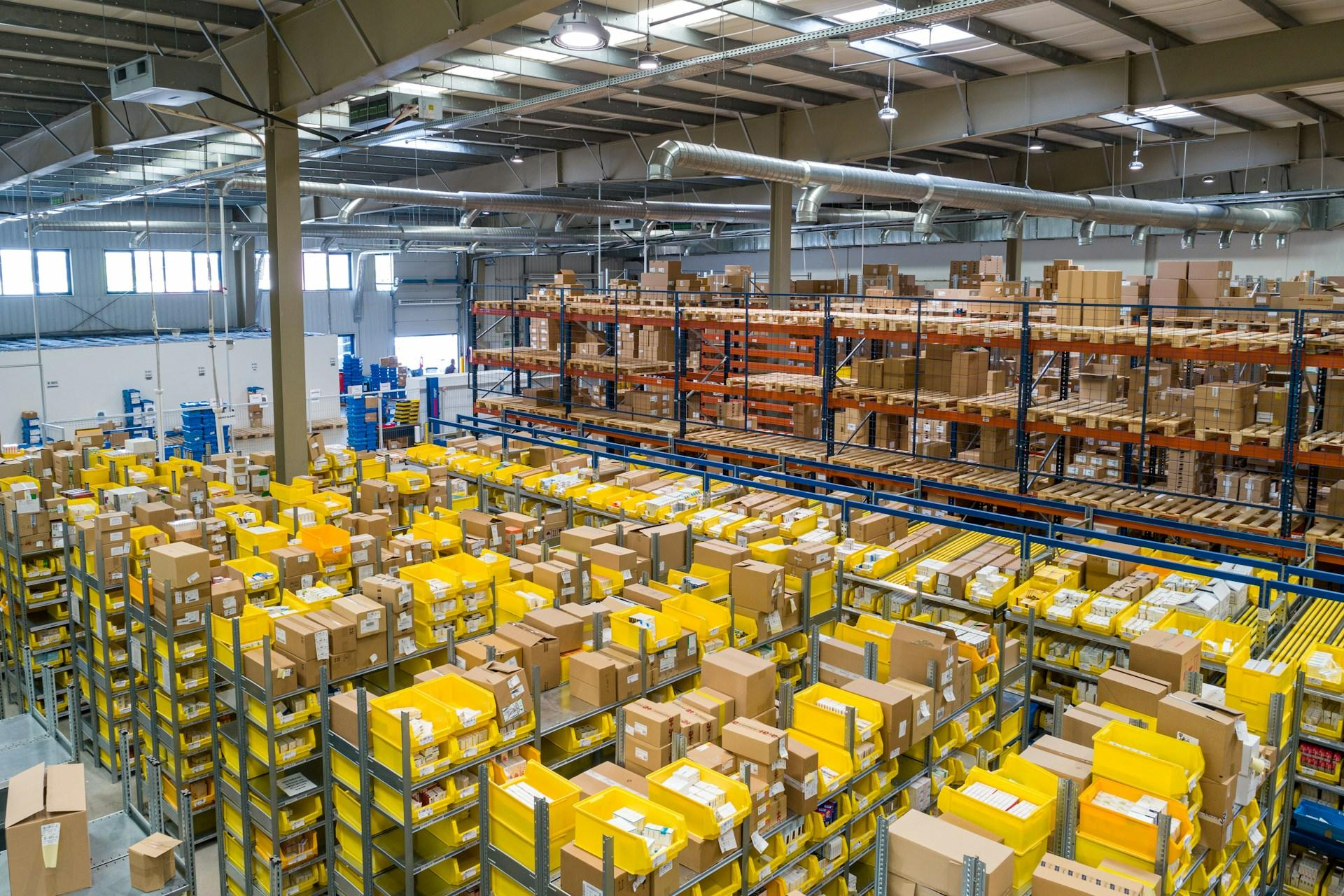
FFP didn't stay a standalone program. Amazon rebranded and expanded it into Ships in Product Packaging (SIPP) in late 2023, opening enrollment to third-party FBA sellers in February 2024.
SIPP has two seller-facing tiers. Tier 1 (FFP) is the full certification: the product ships in its own packaging, that packaging is 100% curbside recyclable, and it opens easily. Tier 2 (SIOC, or Ships in Own Container) means the product ships without an overbox but doesn't have to meet the recyclability or easy-open requirements.
A third tier called Prep-Free Packaging exists for Amazon's vendor program, covering items that need an overbox but arrive pre-prepped so fulfillment centers don't have to bag or wrap them.
The distinction matters because Amazon now ties fulfillment fees directly to SIPP certification. Certified standard-size items earn FBA fee discounts of $0.04 to $1.32 per unit.
Non-sortable items (larger than 18" × 14" × 8" or heavier than 20 pounds) that aren't certified face per-unit chargebacks ranging from $1.80 to $4.40, depending on shipping weight.
Why Does Everyone Search "Frustration Free Packaging Lego"?

Lego is the most-searched brand attached to FFP, and it's because of a tension the program never fully resolved.
When a Lego set ships as FFP, the customer typically receives the original printed retail box with Amazon's shipping label applied directly to it. No overbox. For collectors and gift-givers, that's a problem.
The iconic Lego box is part of the product — dents from transit, scuffs from conveyor belts, and adhesive residue from the label all diminish it.
Amazon product Q&As for popular Lego sets are filled with buyers asking whether their set will arrive in an overbox. The answer varies by set and fulfillment center. Some larger sets (the NASA Apollo Saturn V, for instance) ship in Lego-branded brown shipping cartons, but that's the exception.
The workaround is straightforward: select "Ship in Amazon packaging" at checkout. It's free and adds a protective overbox. But the option isn't always visible, and many buyers don't know it exists.
How Do Amazon Sellers Get Certified for Frustration-Free Packaging?
Certification happens at the ASIN level through ISTA 6-Amazon.com testing, a set of protocols developed jointly by Amazon and the International Safe Transit Association. The tests simulate the drops, vibration, and compression a package encounters in Amazon's parcel network. For SIOC-eligible products, that means a sequence of drops from 36 inches at varied orientations, random vibration testing, and compression stacking.
Non-fragile rigid products under 50 pounds can be self-certified through Amazon's Vendor Drop Test.
Fragile items, liquids, and anything over 50 pounds require testing at an APASS-network lab (UL Solutions, Smithers, Keystone, and others). Amazon also offers a Pre-Certification Packaging Program that lets sellers submit packaging designs for review before committing to production runs.
What Has the Frustration-Free Packaging Program Actually Changed?
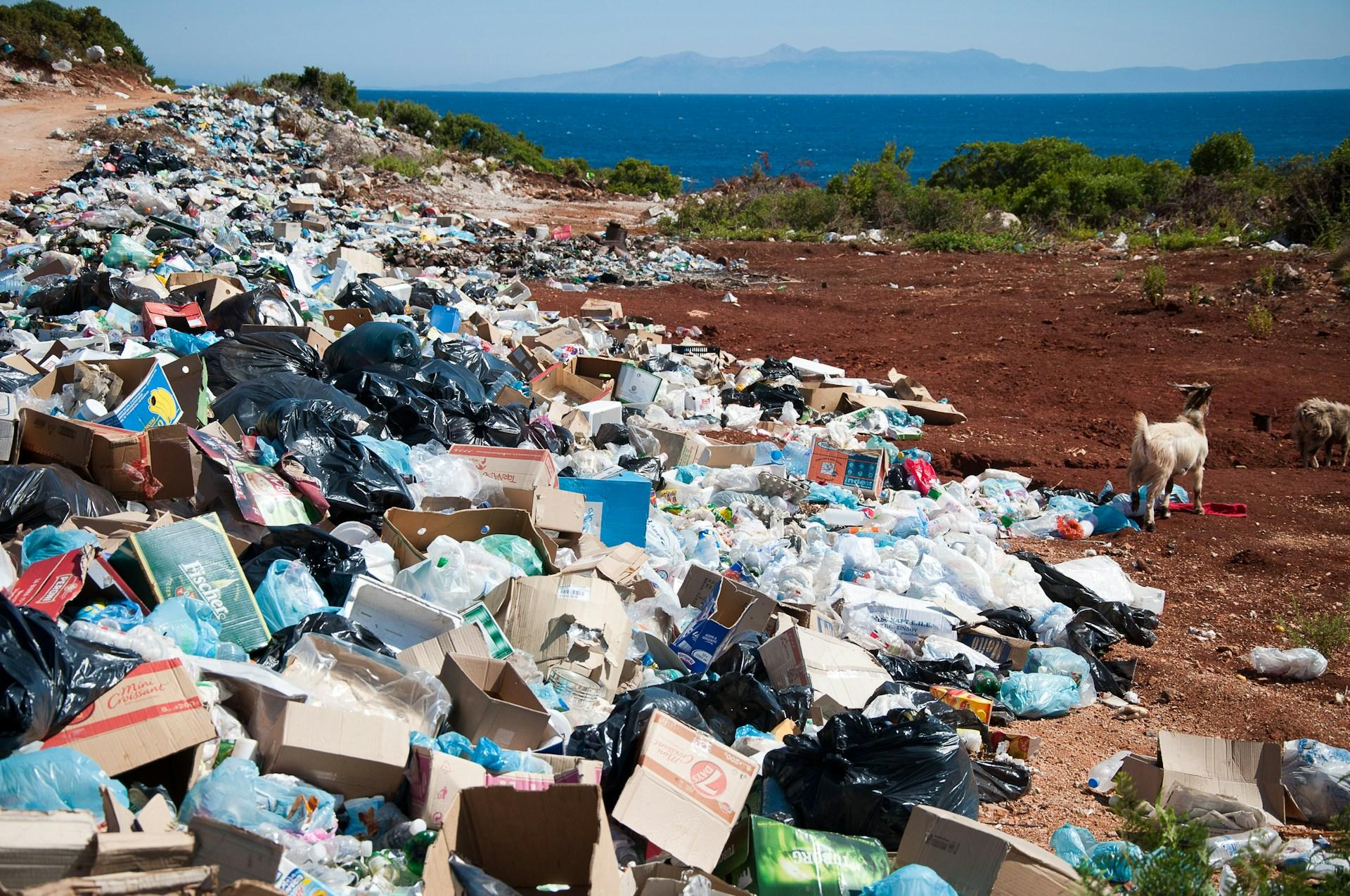
Amazon's 2024 Sustainability Report claims a 43% reduction in average per-shipment packaging weight since 2015. In October 2024, the company completed the removal of plastic air pillows from all global fulfillment centers, eliminating roughly 15 billion air pillows annually and replacing them with recycled paper filler.
About 13% of North American shipments in 2024 went out with no added Amazon packaging at all.
Those numbers come with context. Oceana's independent analysis found that Amazon's total global plastic packaging volume rose 3% between 2022 and 2023, even as per-shipment intensity fell.
The per-shipment story is improving. The absolute-tonnage story tracks Amazon's overall volume growth.
The ripple effect extends beyond Amazon.
Walmart's Project Gigaton hit its supplier emissions-reduction goal six years early in 2024, with packaging waste as a key pillar. Costco runs its own mandatory packaging specifications with non-compliance chargebacks. The upstream-accountability model Amazon pioneered with FFP is now an industry pattern.
Why FFP Matters Beyond Amazon
Frustration Free Packaging started as a customer-experience fix for clamshells and wire ties. It's become the cost structure of selling physical goods on Amazon.
The recyclability requirements push brands toward mono-material corrugated and paper formats, which is where the broader sustainable e-commerce packaging conversation is heading anyway.
For product categories that need barrier protection, premium presentation, or infinite recyclability without the composting-infrastructure gamble, materials like aluminum fit the same design philosophy FFP was built around: right-sized, recyclable, and built for the way people actually receive products today.
The question for brand owners isn't whether to design for e-commerce transit anymore. It's whether the retail box and the shipping box should have ever been two separate things in the first place.