
Jun 26, 2025
By
uCan-Packaging
Introduction To Child Resistant Packaging
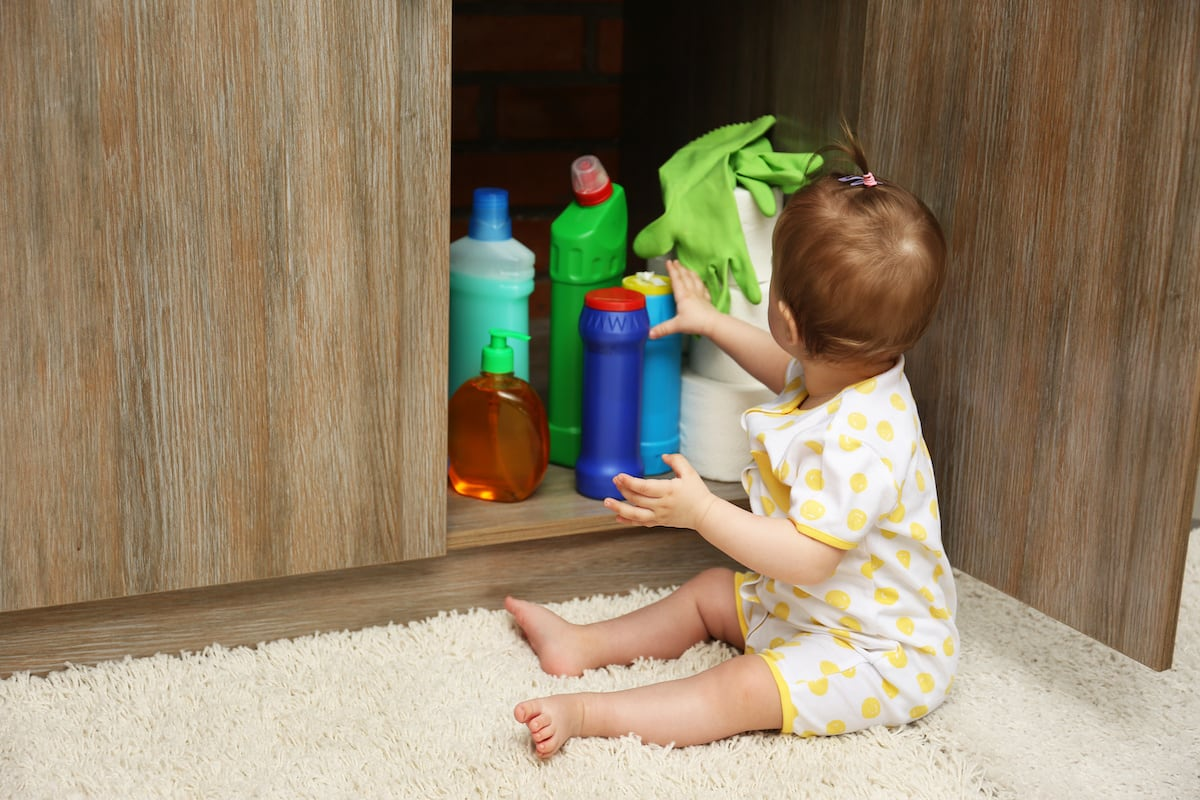
Specifically designed for children’s safety, child resistant packaging or tamper proof packaging is crucial in preventing access to possibly dangerous substances like medications, household chemicals, and select consumer products. It is essential in promoting child safety, particularly in medical packaging, cleaning supplies, and chemicals. Child resistant packaging is engineered to be challenging for young children to open, requiring certain skill or strength that is typically beyond their capabilities. Through the use of child resistant packaging, the aim is to prevent accidental ingestion or exposure to harmful substances, ultimately reducing the prevalence of childhood accidents and injuries associated with household products.
In recent years, tamper resistant packaging has become increasingly prevalent in pharmaceutical packaging and medical packaging such as aluminum capsule jars due to its effectiveness in preventing accidental poisonings in children. The design of these packages typically involves a combination of various mechanisms, including push-and-turn caps, blister packs, or squeeze-and-lift closures. The intention is to create a barrier between children and potentially harmful product contents, ensuring that only those with the appropriate knowledge or physical ability can gain access to them. While child resistant packaging has proven to be effective in reducing poisoning incidents, it is crucial to note that it is not fail safe, as some curious or persistent children may still manage to open them. Therefore, parental supervision and education on safe storage practices are equally important to safeguard children from potential hazards.

The history of child resistant packaging dates back to the late 1960s, when concerns over the increasing number of accidental poisonings among children led to the implementation of safety measures. The catalyst for change arose from the fact that young children could effortlessly open aspirin bottles and other pharmaceutical packaging. The US Congress responded by passing the Poison Prevention Packaging Act (PPPA) in 1970. This act demanded that certain over-the-counter medicines, prescription drugs, and other household products recognized as hazardous be packaged with child-resistant safety measures. The passing of this law represented a noteworthy landmark in enhancing consumer safety, inspiring manufacturers to design inventive packaging alternatives such as child resistant cannabis packaging and medical packaging that effectively shielded children while remaining easily usable by adults. Over the years, child resistant packaging has become a standard practice across various industries, contributing to a substantial decrease in the number of accidental poisonings among children.
Usage Of Child Resistant Packaging In Industry
Child resistant packaging is mainly used for pharmaceutical packaging and household products packaging and when dealing with products that present a danger of poisoning or injury to children if mistakenly ingested or manipulated. Some other industries and products that require child resistant packaging include pesticides, specific cosmetics, personal care items, tamper resistant food packaging and nicotine-containing products like e-cigarettes. Furthermore, tamper proof packaging is commonly employed for products like sharp needles, syringes, and other medical devices, minimizing the chances of injury or misuse.
Regulatory agencies typically govern the requirements for child resistant packaging, and these requirements can vary by country to country. In the United States, for example, the Consumer Product Safety Commission (CPSC) sets standards for child-resistant packaging under the Poison Prevention Packaging Act (PPPA). The regulations outline specific testing procedures and performance criteria that packaging must meet to be considered child resistant packaging. These standards often involve testing the medical packaging or any other packaging with a group of children to ensure that they cannot open it within a specified timeframe while adults can access the contents as intended.

When establishing the necessity of tamper resistant packaging, various factors are taken into account. Various factors that come into play include the toxicity level of the product, potential harm if ingested (very important in pharmaceutical packaging) or touched by someone, chances of exposure in children, and past records of accidental poisonings. Additionally, the decision to use child resistant packaging may also be influenced by regulatory requirements and industry best practices. To maintain a harmonious equilibrium, manufacturers and regulatory agencies collaborate to safeguard children from harm while also guaranteeing that adults can still effectively obtain and utilize the products.
The use of child resistant packaging in this industry helps to mitigate accidental poisonings or injuries. Tamper resistant food packaging, for example, requires a combination of talent and cognitive skills that are typically lacking in young children, making it difficult for them to access the contents. Overall, implementing child resistant packaging in various industries serves as a vital safeguard, ensuring the well-being of children and minimizing potential risks associated with handling hazardous materials.
Which Packaging Can Be Considered As Child Resistant Packaging
One notable product that is mandated by law to have child resistant packaging is prescription medications (medical packaging). Given the potential dangers associated with consuming medications without adult supervision, it is crucial to ensure that children cannot easily open pharmaceutical packaging. The regulations for child resistant packaging in the pharmaceutical industry are strict and comprehensive, requiring a combination of physical barriers, such as special closures or blister packs, and complex opening mechanisms that children find difficult to manipulate. These measures help safeguard children from accidental ingestion of medications, promoting their safety and well-being.
Another product category that requires child resistant packaging by law is household cleaning products. It is widely known that cleaning substances can be toxic if ingested or mishandled, posing a significant risk to children. Therefore, it is imperative to secure these products in packaging that actively prevents access by young children. Tamper resistant packaging for household cleaning products may include features like specialized caps, buttons, or seals that require the application of significant force or complex gestures to open. The goal is to ensure that young children lack the skill or understanding needed to bypass these safeguards, reducing the likelihood of accidents, and potentially preventing serious harm. In some parts of the world laws also enforce child resistant cannabis packaging and tamper resistant food packaging which aims to mitigate the risks associated with hazardous materials by providing child resistant packaging.

The testing procedures for child resistant packaging are stringent and are designed to ensure the effectiveness of the packaging such as medical packaging and pharmaceutical packaging in preventing young children from accessing the contents. The evaluation primarily includes two phases: adult use and child resistance testing. Firstly, in the adult use testing phase, a group of adults, typically aged 50-70, is given the packaging with clear instructions on accessing the contents. This step aims to ensure that adults can easily open the tamper proof packaging and understand the proper way to access its contents. If any issues are identified during this phase, revisions are made accordingly. The subsequent phase, child resistance testing, involves a group of children aged between 42 and 51 months. The testing is conducted under controlled conditions to mimic real-world scenarios as closely as possible. The child resistant packaging must pass specific criteria to meet the regulatory standards. For example, the packaging should be designed to be difficult for at least 85% of tested children to open within a specified time, while it should still be easy for 90% of tested adults to open. The testing process often involves a simulated child resistance test, where children attempt to open the packaging without prior instruction. The goal is to determine if the packaging effectively resists tampering by young children.
Manufacturers follow these testing procedures to ensure their products comply with regulatory requirements, such as those set by the Consumer Product Safety Commission (CPSC) in the U.S. Compliance with these standards is crucial for the approval and marketing of products that require child-resistant packaging.
Advantages And Disadvantages Of Child Resistant Packaging
Child resistant packaging serves as a crucial safeguard to enhance the safety of children by mitigating the risk of accidental poisoning or injury. The primary advantage lies in its ability to restrict a child's access to potentially harmful substances such as medications and household chemicals. By making it challenging for children to open containers, tamper resistant packaging significantly reduces the likelihood of accidental ingestion or exposure to toxic materials, contributing to the overall well-being of young individuals. Furthermore, adherence to regulatory requirements in medical packaging or pharmaceutical packing in various countries ensures that products posing potential health risks are packaged securely, instilling consumer confidence in the safety of these items.
However, there are notable drawbacks associated with child resistant packaging. One significant concern revolves around the accessibility for adults, particularly those with limited skills or elderly individuals who may find it challenging to open these containers. This can lead to frustration and difficulties in accessing the contents when necessary for example in tamper resistant food packaging. Environmental considerations also come into play, as the additional materials used in child resistant packaging, such as special closures or barriers, contribute to increased waste, raising environmental impact concerns. Moreover, the production of child resistant packaging tends to be more expensive, potentially leading to higher product costs for consumers. There's also the risk of a false sense of security, as tamper proof packaging does not guarantee complete safety, and caregivers should remain vigilant. The complexity of various packaging designs may further add to consumer confusion about proper usage, emphasizing the need for ongoing education and awareness. The goal of weighing these advantages and disadvantages is to balance child safety, adult accessibility, environmental impact, cost considerations, and consumer education.
Different Types Of Child Resistant Packaging
Child resistant packaging comes in various forms to address the diverse needs of different products. Here are some examples of different types of child resistant packaging:
1. Tamper Resistant Packaging with Caps and Closures: Many medical packaging and household products use jars or bottles with child resistant caps. These closures often require a specific combination of pushing, squeezing, or twisting to open, making it challenging for young children to access the contents.
2. Child Resistant Bags/Pouches: Some child resistant packaging takes the form of flexible pouches or bags. These may include zip-lock mechanisms, sliders, or other resealable closures that require a level of agility and strength not typically possessed by young children.
3. Push-and-Turn Containers: Certain liquid products like household cleaners may be packaged in bottles with push-and-turn child-resistant caps. This design requires a specific combination of pushing down and simultaneously turning the cap to open.
4. Specialized Lids and Closures: Child resistant packaging involves specialized lids or closures that require a specific manipulation, such as aligning arrows or pressing buttons, making it challenging for children to open.
Child resistant packaging, designed for children's safety, prevents access to hazardous substances. It is vital in reducing accidental poisonings, employing mechanisms in medical packaging and pharmaceutical packaging, like push-and-turn caps or blister packs. However, it's important to note that the effectiveness of child resistant packaging depends on proper usage by adults and ongoing education to ensure that caregivers understand how to secure these containers correctly. The history traces back to the Poison Prevention Packaging Act of 1970; however, the regulations and standards may vary by region, influencing the specific design features required for tamper resistant packaging. It is widely used in pharmaceuticals, households, and industries with potential dangers and adheres to regulatory standards.

Though effective, it could be more foolproof, requiring parental supervision. Child resistant packaging minimizes accidental poisonings, especially in medications and cleaning products. These packaging are approved only after rigid testing which involves adult and child resistance, meeting stringent criteria. However, parents should keep such harmful products out of children’s reach as it is better to be safe than sorry.