
Feb 3, 2026
By
uCan-Packaging
What’s Next for Sustainable Packaging – 5 Trends for 2026
As we enter the New Year, it’s clear that sustainability is a topic that’s on everybody’s mind. As our oceans grow warmer and the effects of climate change become more apparent with each passing year, it’s clear that we must act now, before it’s too late.
When it comes to climate change, sustainability is something that more businesses are looking to integrate into their daily operations. Whether this is renewable energy, carbon offsetting, recycling, or anything else, the good news is that there are a number of ways in which businesses can be greener and more sustainable, starting with their packaging.
Packaging is responsible for a large percentage of pollution across the globe. More worrying still, 40% of the planet's plastic waste comes in the form of plastic. These days, packaging is about so much more than protecting products, it’s about preservation, for both the planet and the products housed within.
As companies transition away from plastic and look for greener, more sustainable options, here’s a look at a few sustainable packaging trends we can expect in 2026.
Smart Sustainable Packaging
With all of the talk of smart technology and the advancements in AI, we can expect the sustainable packaging industry to become more tech-orientated in 2026.
As well as utilizing more sustainable materials, we can also expect more companies to offer smart sustainable packaging. Utilizing things such as QR codes for example, consumers can scan these codes on their phones and be taken to a page or video providing info about the packaging.
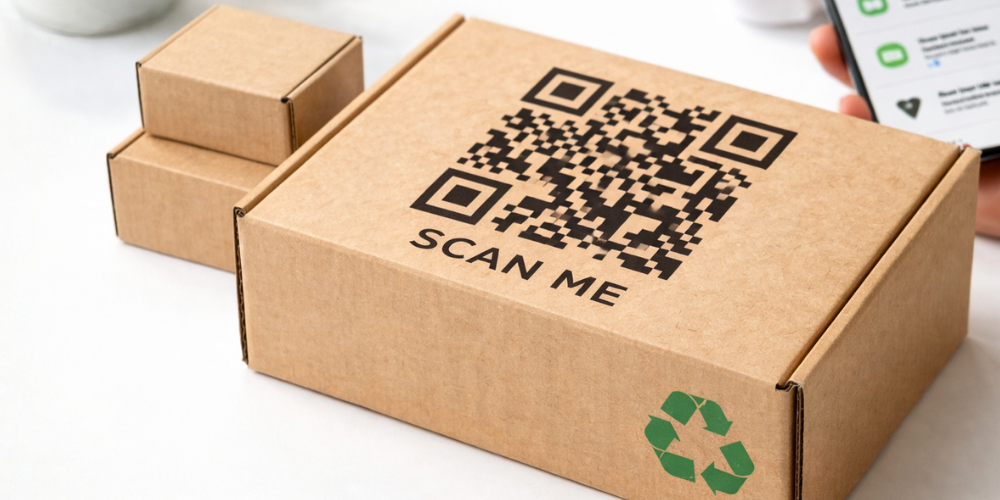
This info could include things such as tips on how to recycle, how to dispose of the packaging, how to repurpose it, and info about the materials and how they’re produced in general.
Affordable Green Packaging
Another trend we’re likely to see in the packaging world in 2026 is more affordable green packaging and plastic packaging and materials becoming more expensive.
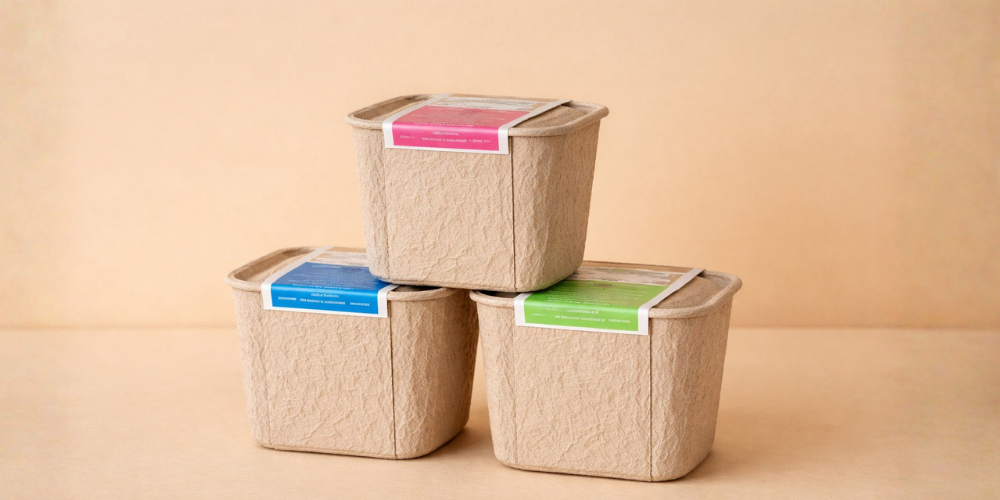
As more and more countries ban single-use plastics, it’s clear that plastic packaging will soon become a thing of the past. One of the primary reasons why plastic was such a popular packaging material in the past was because it was so much more affordable than greener solutions.
In an effort to encourage sustainability across the board, we can expect packaging materials deemed “green” and sustainable, to become more affordable. We can also expect governments to provide financial incentives for sustainable packaging, in the form of subsidies, tax breaks, and things of that nature.
Biological Packaging
While currently not deemed the most viable packaging option, another trend we’re likely to see in 2026 with regards to sustainable packaging is the use of biological materials.
Instead of packaging made from fossil fuels, so-called next generation bio packaging materials are likely to become more common in businesses across more sectors. Packaging made from biological materials such as mushroom, seaweed, and cornstarch will become more widely utilized.
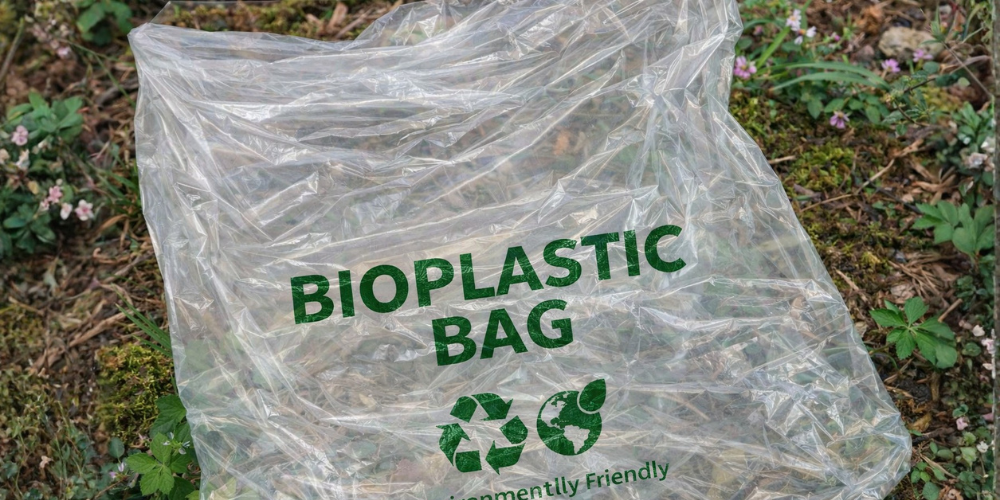
Not only are these materials far more recyclable, they have far lower carbon footprints and are compostable and will decompose naturally as well.
Lightweight Packaging
When people think of sustainability in the world of packaging, they focus solely on the materials used. Plastic, for example, is far less environmentally friendly than aluminum, which is infinitely recyclable. What they tend to overlook however, is the fact that packaging weight also has a significant environmental impact.
The heavier a packaging material is, the more energy it requires to produce. Not only that, but it will also require more fuel during transportation, which means more carbon emissions. The exact opposite is true if a packaging material is lighter.
2026 looks set to officially be the year of lightweight packaging. Here, lightweight materials such as aluminum will replace plastic, and thinner, stronger, lighter-weight sustainable materials will be used instead.
Aluminum Packaging Will Be More Widely Adopted
Finally, as sustainability is the name of the game here, we can expect more organizations to begin phasing out plastic packaging, in favor of aluminum packaging instead.
Aluminum packaging is strong, durable, and lightweight. It is also far safer than plastic as it doesn’t leech harmful chemicals into the environment. Perhaps the biggest advantage, however, is its recyclability. Aluminum can be recycled as many times as you wish, without compromising its integrity. During this process, it will use 95% less energy than being produced from new.
Aluminum packaging is already commonly utilized in the food and beverage industry, as well as beauty and cosmetics. This is largely due to its impressive preservation qualities. As the packaging industry continues to innovate however, we can expect more industries and sectors to adopt it as their go-to packaging material.
From foil trays and pouches to cans and containers, aluminum packaging comes in all shapes, sizes, and designs, and is quickly becoming one of the most sustainable packaging materials currently in circulation.