
Aug 16, 2026
By
uCan-Packaging
Why Aluminum Liquor Bottles are Becoming More Popular Amongst Premium Brands
Remember a time when virtually everything that needed to be packaged would come wrapped in piles upon piles of plastic? Well, thankfully, those days are behind us, and rightfully so. Plastic pollution, and its effects, are well documented. It’s a material that is not only harmful to the environment, but also, harmful to living creatures as a whole. Plastic packaging makes up the bulk of the world’s plastic pollution.
Because of the harmful effects of plastic, companies are instead choosing to be far more sustainable with their packaging choices, which is one of many reasons why aluminum packaging is leading the sustainable packaging charge across a wide range of industries.
Interestingly, rather than opting for glass, which itself is a far greener alternative than plastic, premium beverage brands are instead choosing aluminum as their packaging material of choice. But why?
Aluminum Liquor Bottles Offer a Great USP
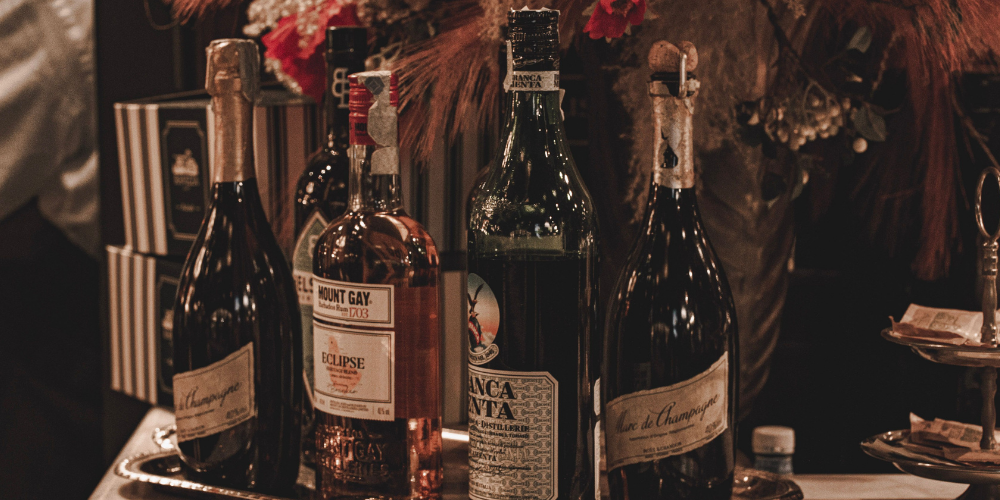
We all know how competitive the liquor market is, just take a look in your local liquor store shelf if you don’t believe us. Whether it’s rum, whiskey, tequila, wine, gin, vodka, or any other beverage for that matter, glass has been the material of choice for liquor bottles for decades.
If you want to make your products really stand out, aluminum bottles offer a great unique selling point. Aluminum bottles will immediately stand out because they’re so unique and will almost certainly be surrounded by glass bottles on the shelves.
No matter which beverage you produce, if you want to give your drinks a great USP that will help make them easier to notice, and get consumers talking, aluminum drinks bottles are the way forward.
Endless Customization Options
For beverage companies just starting out, or looking for a re-brand, aluminum liquor bottles offer endless customization options.
Thanks to advanced printing tech, metal stamping, engraving, and other meticulously detailed processes, aluminum bottles can be customized to your liking. You can opt for intricate patterns, different colors, and multi-dimensional textures to create a bottle that not only markets your liquor of choice, but also stands on its own two feet.
As if the above wasn’t enough, because aluminum is such a malleable metal, it can be shaped and molded into a plethora of different shapes, sizes, and designs. Of course, if you wished to do so, you could keep that iconic liquor bottle shape, but it’s nice to know that the option to be different is always there.
Premium Look and Feel
Another reason why premium liquor brands are choosing aluminum liquor bottles is because they help give their products a distinctly premium look and feel.
As good as glass bottles can be, they’re old news. Plastic looks and feels cheap, and is widely associated with cheap, entry level products. Aluminum, however, just looks and feels classy and premium.
From the sleek and shiny finish, the light, yet somehow weighty feel, and its uniqueness, aluminum is a material that can help liquor brands establish themselves as premium brands offering high-end, premium quality liquor. This in turn, means consumers are likely to be more willing to spend more, which will help maximize your profits and grow your brand.
Sustainable and Greener
As more brands look for ways of making their businesses more sustainable, aluminum packaging is becoming increasingly common across a wide range of different sectors.
Aluminum is not only recyclable, it’s one of the most recycled materials on the planet.
Furthermore, it is infinitely recyclable so can be recycled, repurposed, and reused an endless number of times, with no loss in strength or durability.
Anything else? Oh yes, recycling aluminum requires just 5% of the energy that is required to produce aluminum from new, plus it is much lighter in weight, which also helps to lower its carbon footprint.
Whilst glass is more sustainable than plastic, recycling it still uses more energy than aluminum. 90% more energy in fact. And whilst it can be recycled an infinite number of times, as it is breakable, less glass finds its way into the recycling than aluminum, which means more ends up in landfill, where it can pose safety risks due to its sharpness.
Appeal to a Wider Demographic
Whilst the legal drinking age in most countries is 21, a lot of liquor brands are more popular with older drinkers than others. Whiskey for example, is incredibly popular amongst Gen X, Baby Boomers, and Boomers. Which demographics are missing? Millennials and Gen Z.
Both Millennials and Gen Z have expressed strong feelings regarding sustainability, and have gone on record as being willing to spend slightly more on sustainable brands and products. In fact, a whopping 73% of Gen Z consumers have stated they will willingly pay more for sustainable products. That includes liquor.
For liquor brands looking to reach a wider market, making their packaging more sustainable is a great way to achieve precisely that. Millennials and Gen Z are therefore more likely to drink your product if you make your brand more sustainable and eco-friendly.
Less Waste, Maximum Profits
Finally, unless you’ve been very fortunate, there’s a strong chance that at some point in your life, you will have dropped a glass bottle on the floor. What happens when glass falls to the ground, or gets bashed about during transit? It breaks!
For most liquor brands, breakages are an everyday part of their business model. They accept the fact that breakages will happen, which means wasted stock, and potentially, refunds being issued if a customer places an order which is broken in transit.
Now, with aluminum liquor bottles, breakages are no longer a concern. Aluminum may be light, but it is very strong and durable so it can withstand being dropped and bashed around a bit, with no danger of it cracking, chipping, breaking, or smashing.
As well as being strong and durable, it also offers amazing protective properties. It forms a protective barrier that helps to keep the temperature stable inside and out, and shields the liquor from direct sunlight, dirt, debris, dust, germs, bacteria, moisture, humidity, pests, and anything else you can think of. This helps to preserve your precious liquor and helps prolong its shelf life.