
Dec 4, 2025
By
uCan-Packaging
Why Aluminum Packaging Isn’t Just for Beverages
When you think of aluminum, chances are that you’re picturing a can of Diet Coke or your favorite beer. Aluminum is one of the most versatile packaging materials and isn’t only used for beverages. With industries evolving to adopt more sustainable practices, aluminum packaging is becoming mainstream. Aluminum is the most abundant metal found in the Earth’s crust and the world’s third-most abundant element.
With consumers calling for more environmentally sustainable products, aluminum packaging could be the key to creating a circular economy. This lightweight and durable metal is all around us, from the utensils we use to eat our dinner to the parts that make up the cars we take to work. If you’re launching a new product or transitioning to a more sustainable supply chain, aluminum is likely to be the best material for your packaging.
In this article, we’re exploring the use of aluminum packaging beyond the beverage aisle at your local store. Aluminum offers dozens of benefits, from its ability to be infinitely recycled to its use as a tamper-proof seal to protect food and medication.
Why Aluminum Cans Dominate the Beverage Industry
Aluminum beverage cans are everywhere you look, with brands like Liquid Death and Aqua Libra showing that they’re not just for beers and sodas. But why are aluminum cans so popular? They tick all the boxes for consumers and companies, protecting the carbonation within your favorite beverage, while giving you a portable and recyclable package to drink from.
Choosing aluminum for drink packaging can also result in a more efficient supply chain. These cans are more resistant and durable, while being lightweight and having a design that makes them easy to stack within shipping boxes or on shelves. One of the main reasons why manufacturers choose aluminum cans is that they chill liquids faster, making them ideal for refrigerating or quickly chilling at home after being stored on a shelf. Aluminum beverage cans deliver a better consumer experience.
With industries facing increased pressures to adopt more sustainable supply chains, aluminum has a higher recycling rate than glass bottles and plastic PET, with over 90% of recycled cans ending up as new cans within as little as 60 days. This circular supply chain is important to regulators, consumers, and businesses. Aluminum cans have become the standard for the beverage industry, but its usability goes far beyond this one category.
Aluminum in Food Packaging: From Foils to Ready Meals
Beyond the beverage industry, food is the other sector you’re likely to find aluminum packaging for. Aluminum, particularly aluminum foil, is the perfect solution for protecting food from light, oxygen, and moisture exposure. You’ll find aluminum used in several other ways for food packaging, including as trays, lids, and pouches. Some food groups, such as dairy, rely heavily on aluminum packaging to ensure freshness, while an aluminum tray can make products like ready-meals more convenient for everyday consumers.

Aluminum food packaging is lightweight and can be used for cooking or storing food with a stackable design that makes it ideal for everyday products. One of the main benefits of aluminum foil is that it’s non-toxic and acts as a good heat conductor, making it suitable for reheating food. Aluminum distributes heat evenly, ensuring your food is fully reheated or cooked. Outside of supermarket shelves, you’re likely to find aluminum food packaging being used in industrial kitchens and takeaway locations for safety, freshness, and hygiene reasons.
Aluminum Packaging in Pharmaceuticals and Healthcare
As a strong and flexible material, aluminum is ideal for pharmaceutical and healthcare products. This material has been widely used for packaging since the 1980s, primarily to prevent tampering and ensure an accurate shelf life for medication, vaccines, and prescription products. This type of packaging works with ultra-low temperature storage that is used for common medications, including vaccines.
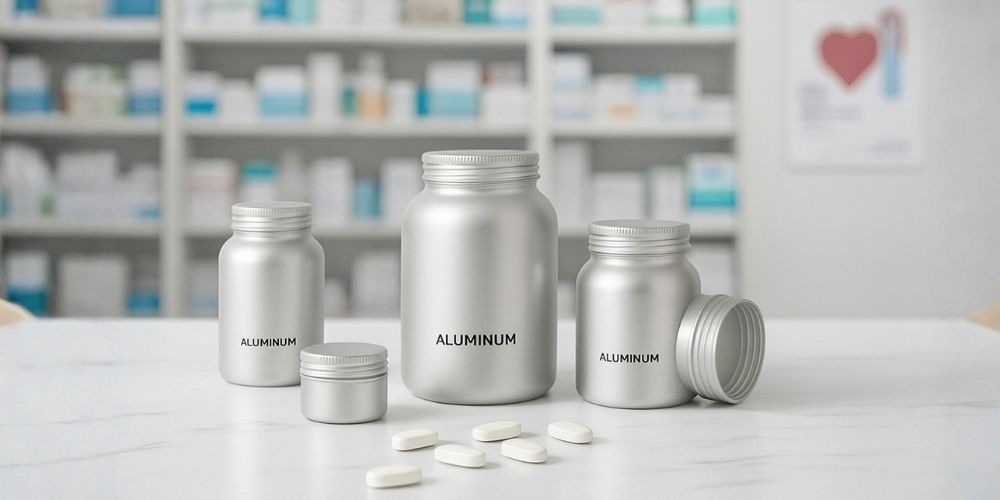
Aluminum is used on blister packs with a durable thin sheet of aluminum applied to the back to keep the medication sterile, while ensuring patient safety. It is also used to protect formulas against oxygen and temperature exposure and is an alternative to adding preservatives to gel or lotion-based products. Aluminum is approved for pharmaceutical packaging use under EMA, FDA, and WHO guidelines as it can maintain the product’s chemical integrity and ensure medication remains effective until its expiry date.
Aluminum Packaging for Cosmetics and Personal Care Products
With everyday consumers becoming more eco-conscious , they’re increasingly looking to support brands that offer sustainable packaging. Along with the rise of refillable products, we’re seeing brands increasingly switching to aluminum cosmetics packaging to attract new consumers, particularly Millennials and Gen Z.

As a lightweight and recyclable material, aluminum is ideal for cosmetic and personal care products , with brands able to market them as eco-friendly and more luxurious than plastic. Mainstream beauty brands like REN, Doe, Pleasing, The Body Shop, and Everist have already adopted aluminum as their choice of sustainable cosmetics packaging. The versatility of aluminum means it can be used for almost every type of personal care product, from skincare to haircare and deodorant.
Aluminum is an ideal option for cosmetics as it is corrosion-resistant, acting as an effective barrier against moisture, ensuring products can be used right up to their expiry date. Along with full-sized products, aluminum is now the go-to material of choice for samples and single-use sachets, providing a tamper-proof seal for shampoos, soaps, lotions, and aftershaves.
Other Industrial Applications for Aluminum Packaging
Aluminum packaging can be used in almost any industry. It would be impossible to list them all, but here are 3 different types of aluminum packaging uses:
- Pet food: Aluminum provides a protective barrier to keep pet food fresh, while also ensuring the food maintains its natural aroma. If a pet’s food smells differently, they may not eat it, so aluminum keeps the food smelling and tasting fresh for as long as possible.
- Coffee capsules: Aluminum is ideal for at-home coffee machines as the material requires less pressure to pierce and provides a longer shelf life. It’s also odorless, offers a protective coating, and conducts heat.
- Nutritional supplements: Just like your daily medication, aluminum packaging ensures the active ingredients in your supplements remain stable and prevents oxidation.
Switch to Aluminum Packaging for Safer, Sustainable Packaging with Longer Shelf Lives
Aluminum cans aren’t the only type of packaging you can create with one of the world’s most abundant metals. This sustainable material is versatile, durable, and flexible, guaranteeing your product’s safety and extending its shelf life. There are plenty of aluminum packaging materials to choose from.